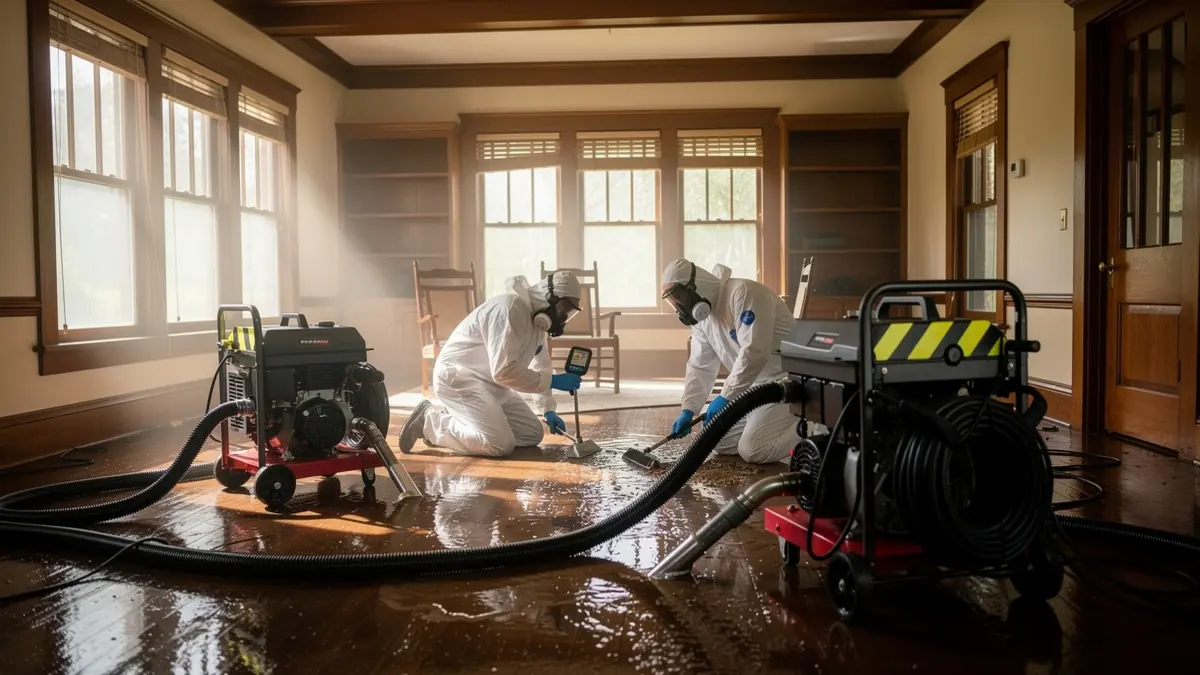
Water damage restoration crew working in Jacksonville Florida home
● Fast 24/7 emergency water damage response across Duval County — we’re on call whenever disaster strikes.

Jacksonville Water Damage Restoration

I’m with The Florida Restoration Pros, your IICRC-certified experts specializing in water damage restoration throughout Jacksonville. We serve neighborhoods like Ortega, Riverside, San Marco, and Murray Hill with a guaranteed 60-minute response time. Whether it’s flood surge or burst pipes, we’re ready to restore your home quickly and professionally.

Why Call Us First?

  • Expertise with Duval County’s Zone AE and VE flood coverage nuances
  • Guaranteed 60-minute emergency response time throughout Jacksonville
  • IICRC-certified technicians trained in local water damage restoration
  • Comprehensive insurance documentation support for NFIP and homeowner claims
  • Trusted by homeowners in Ortega, Riverside, San Marco, and Murray Hill
  • Preferred vendor status with multiple Jacksonville insurance carriers
Call Now — It’s Free

Quick Answer

Our team provides 24/7 emergency water damage restoration services across Duval County, including Ortega, Riverside, San Marco, and Murray Hill. Call (904) 204-7016 anytime for expert local help with water extraction, drying, and mold prevention. Call (904) 204-7016 now.

Understanding Jacksonville’s Unique Water Damage Risks

Jacksonville’s geography presents a complex water damage landscape shaped by its vast waterways and flood zones. The city borders the St. Johns River, whose flooding, especially within FEMA Zone AE, regularly impacts neighborhoods like Riverside and Ortega. Coastal surge from the Atlantic Ocean and Nassau Sound compounds flood risks along the eastern shorelines. With over 20% of Jacksonville’s land area classified as Zone AE floodplain, including low-lying streets near downtown and San Marco, residents face recurrent flood threats. Historic bungalows along Riverside Avenue, many built between the 1920s and 1940s, sit in these flood-prone zones, often suffering from basement and slab flooding during heavy rain events or storm surges. Further inland, Murray Hill experiences flash flooding due to its proximity to drainage basins and older infrastructure. Jacksonville’s status as the largest U.S. city by land area means that flood risk varies dramatically—from coastal storm surge and tidal flooding to inland flash floods—requiring tailored restoration strategies for each neighborhood’s unique challenges.

Secondary water damage causes in Jacksonville frequently relate to aging infrastructure and environmental factors. Many homes in neighborhoods like Riverside and Ortega still utilize galvanized steel pipes installed decades ago, prone to corrosion and sudden leaks. Appliance failures, such as malfunctioning water heaters or washing machines, are common culprits for interior flooding, especially in older constructions with outdated plumbing. Roof damage from Atlantic storms or heavy rains allows water intrusion in upper levels. Additionally, Jacksonville’s high water table in Duval County contributes to slab moisture problems, exacerbating foundation dampness and increasing the risk of mold growth. Addressing these secondary sources promptly is critical to preventing long-term structural damage and ensuring the safety of residents.

Water damage left untreated in Jacksonville’s humid, subtropical climate can escalate quickly within 24 to 48 hours. Excess moisture fosters rapid mold colonization, which poses serious health risks and can spread throughout walls, flooring, and HVAC systems. Structural components, including wooden framing and drywall, begin to weaken, warp, and rot under persistent damp conditions. The warm, moist environment accelerates bacterial growth and decay, potentially compromising indoor air quality and habitability. Immediate water extraction and drying are essential to halt these damaging processes. Delays increase restoration costs and lengthen disruption times for Jacksonville homeowners.
Jacksonville’s Water Damage Risk by Zone

FEMA Zone AE

Riverside Avenue, San Marco Blvd, parts of Ortega

Zone AE areas experience base flood elevations causing frequent riverine and storm surge flooding, making homes susceptible to repeated water intrusion and costly damage.

FEMA Zone VE

Coastal neighborhoods near Atlantic Ocean frontage, Nassau Sound edges

Zone VE has high-velocity wave action risk during hurricanes and ocean surges, threatening structural integrity and increasing flood insurance costs.

Inland Murray Hill

Near drainage basins around Post Street and Edgewood Avenue

Prone to flash flooding from heavy rains due to aging stormwater infrastructure and low elevation, causing basement and slab water issues.

Downtown Jacksonville Lowlands

Along St. Johns River adjacent streets like Hogan and Bay Street

Subject to tidal flooding and storm surge, especially during hurricanes, leading to recurrent basement inundation and foundation moisture problems.

Jacksonville Neighborhood Water Damage — What We See

Jacksonville’s diverse neighborhoods each face unique water damage risks shaped by geography, construction age, and flood zone status. Below, we break down the primary water damage concerns for Ortega, Riverside, San Marco, and Murray Hill to help residents understand local vulnerabilities and restoration needs.

Riverside

Most common: Flood and pipe corrosion damage

Riverside is characterized by numerous historic bungalows built from the 1920s through the 1940s, many with galvanized steel plumbing prone to corrosion and leaks. Situated within FEMA Zone AE along the St. Johns River, Riverside homes regularly face flooding during heavy rains and storm surge events. The neighborhood’s charming older structures often suffer from basement flooding and prolonged moisture exposure, which accelerates wood rot and mold growth. Restoration here requires specialized knowledge of both historic construction methods and modern drying techniques. Residents must remain vigilant due to the combined risk of river overflow and aging infrastructure, making timely water damage response critical.

Ortega

Most common: Coastal surge and slab moisture

Ortega’s proximity to the St. Johns River and nearby waterways places many homes within Zone AE floodplain boundaries subject to storm surge and tidal flooding. Many homes date back to the mid-20th century and feature slab-on-grade foundations vulnerable to high Duval County water table moisture intrusion. Roof damage from Atlantic storms can further exacerbate interior water problems. The neighborhood’s tree-lined streets often see flooding on lower-lying sections, impacting basements and crawlspaces. Restoration efforts here emphasize rapid water extraction and advanced dehumidification to prevent mold in this subtropical climate while addressing foundation moisture challenges unique to Ortega.

San Marco

Most common: Flood surge and aging plumbing leaks

San Marco blends historic and modern homes, with older properties commonly having galvanized or cast iron plumbing systems susceptible to leaks. Nestled along the San Marco River within Zone AE, this neighborhood often experiences flooding from both storm surge and river overflow. Water damage frequently affects lower floors and basements, leading to structural wood damage and mold proliferation. The mix of building vintages requires tailored restoration approaches, balancing preservation with modern mitigation techniques. Due to its urban location, San Marco also faces flash flooding from stormwater runoff, necessitating prompt water damage interventions.

Murray Hill

Most common: Flash flooding and appliance failures

Murray Hill’s inland location reduces coastal surge risk but increases vulnerability to flash flooding caused by intense rainfall and aging drainage systems near streets like Post Street. Many residences are mid-century builds with a mix of plumbing materials, including galvanized pipes prone to corrosion-related leaks. Appliance failures, such as water heater ruptures or washing machine malfunctions, are common secondary water damage sources here. The neighborhood’s flat topography and high water table contribute to slab moisture issues underpinning foundation concerns. Prompt drying and mold remediation are essential to mitigate health and structural risks in this frequently impacted area.

Jacksonville-Specific Water Damage Services

Jacksonville Insurance: Flood Insurance vs. Standard Homeowner Policies

Flood damage in Duval County often falls outside the scope of standard homeowner insurance policies. Jacksonville’s inclusion in FEMA flood zones AE and VE means that many properties require separate National Flood Insurance Program (NFIP) coverage to be financially protected against flood losses. Standard HO-3 policies exclude flood-related water damage, focusing instead on perils like fire and wind. For residents in high-risk zones such as Riverside or San Marco, understanding the distinctions between flood insurance and typical homeowner coverage is vital to avoid unexpected out-of-pocket expenses after a flood event. Zone VE areas, subject to coastal surge and wave action, generally carry higher premiums and stricter building requirements, reflecting their elevated risk profiles.

Documenting water damage for insurance claims in Jacksonville requires thorough and timely action. Homeowners should capture clear photos and videos of all affected areas, including exterior flood evidence and interior water intrusion in neighborhoods like Murray Hill or Ortega. Keeping detailed records of emergency repairs, contractor estimates, and communication with your carrier strengthens your claim. It’s important to notify your insurance provider as soon as possible and adhere to any carrier-specific deadlines to avoid denial. Maintaining a log of damage progression and restoration milestones helps ensure accurate coverage and smooth claim processing.

Navigating insurance adjusters in Jacksonville’s water damage claims involves understanding the Xactimate scope of work used widely by carriers here. Our experience shows that adjusters may underestimate damage severity, especially in complex flood or mold situations common in Duval County’s AE zones. Homeowners should document all visible damage and hidden issues discovered during restoration. When discrepancies arise, engaging a public insurance adjuster familiar with Jacksonville’s flood risks can help secure full settlements. Our team supports clients throughout this process, advocating for accurate coverage and timely restoration funding.

Jacksonville Insurance Documentation

  • Take comprehensive photos and videos of all water damage and flood evidence
  • Document the date and time when water intrusion was first noticed
  • Record all emergency mitigation steps and temporary repairs performed
  • Save receipts and invoices for any restoration-related expenses
  • File a claim promptly with your insurer and note your claim number
  • Keep written communication logs with your insurance adjuster
  • Obtain detailed damage assessments and Xactimate scopes from restoration professionals
  • Follow carrier deadlines for submitting documentation and additional info
  • Consult a public adjuster if claim settlement offers seem insufficient
  • Maintain copies of all documents and correspondence for your records

Post-flood event or pipe failure in Jacksonville?

Our certified team responds within 60 minutes, starting documentation immediately upon arrival to support your insurance claim.

(904) 204-7016

Jacksonville Water Damage FAQ

What are Jacksonville’s primary flood and surge risks? +
Jacksonville faces significant flood and surge risks due to its geography along the St. Johns River, Atlantic Ocean, and Nassau Sound. Over 20% of the city lies within FEMA Zone AE floodplains, including neighborhoods like Riverside and Ortega prone to riverine flooding and surge impacts. Coastal Zone VE areas face wave action during hurricanes, increasing structural vulnerability and insurance premiums. Residents should carry National Flood Insurance Program policies separate from standard homeowner coverage to protect against these risks. Awareness of local flood maps and preparedness for storm surge events is essential in this diverse flood risk environment.
How fast does mold grow after water damage in Jacksonville's climate? +
In Jacksonville’s warm, humid subtropical climate, mold can begin to develop within 24 to 48 hours after water intrusion if moisture isn’t promptly controlled. High humidity and residual dampness in materials like drywall and wood accelerate mold colonization, potentially leading to health issues and structural damage. Immediate water extraction and thorough drying are critical first steps. Using professional dehumidification equipment and mold prevention treatments reduces the risk of long-term contamination, especially in flood-prone areas of Duval County.
Does homeowner insurance cover flooding in Jacksonville? +
Standard homeowner policies (HO-3) in Jacksonville typically exclude flood damage, which is common given the city’s extensive FEMA flood zones AE and VE. To be protected from flood losses caused by river overflow, storm surge, or heavy rain, homeowners must purchase separate National Flood Insurance Program (NFIP) coverage. This distinction is crucial in areas like Riverside and San Marco, where flood risk is high. Understanding your flood zone designation and maintaining appropriate coverage will ensure financial protection after water damage events.
What's the first thing to do after water damage in my Jacksonville home? +
First, ensure your safety by turning off electricity if water is present and evacuate if necessary. Document the damage thoroughly with photos and videos before attempting cleanup. Avoid using household vacuums or fans to dry large water volumes. Contact a licensed water damage restoration company immediately—preferably one with local Jacksonville expertise—to begin extraction and drying. Notify your insurance carrier promptly but don’t delay mitigation efforts. Do not attempt major repairs yourself as this could void coverage or worsen damage.
How long does water damage restoration take in Jacksonville? +
Restoration time varies depending on water damage category, affected materials, and climate. Emergency water extraction often completes within hours, but structural drying and dehumidification in Jacksonville’s humid environment can take 3 to 7 days or longer. Mold remediation and reconstruction may extend the timeline further. Factors such as floodwater contamination, building construction, and insurance approvals also influence project duration. Our team provides precise estimates based on initial assessments and continuously monitors drying progress to ensure safe, thorough restoration.
What is a unique water damage risk specific to Jacksonville? +
Jacksonville’s status as the largest U.S. city by land area creates a unique challenge: varied flood risks from ocean surge in coastal zones to flash flooding inland. Additionally, many historic neighborhoods, such as Riverside and Ortega, have aging galvanized plumbing prone to corrosion and leaks, compounding flood-related water damage. The city’s high water table also contributes to persistent slab moisture issues, demanding specialized restoration methods to prevent mold and structural decay unique to this environment.

Complete Water Damage & Restoration Services in Jacksonville

Residential Water Damage in Jacksonville

In Jacksonville, water damage in homes often begins with external causes like hurricane surge and storm flooding, particularly in flood-prone areas such as Riverside and Ortega, where proximity to the St. Johns River and FEMA Zone AE makes properties vulnerable. Coastal surge from the Atlantic also threatens eastern neighborhoods, while heavy rains can lead to roof leaks and flood water intrusion, especially in low-lying San Marco. Inside the home, common culprits include pipe bursts, washing machine or dishwasher failures, water heater leaks, HVAC condensate overflow, and sewage backups. The most frequent type of water damage we encounter here is flood water intrusion due to Jacksonville’s complex waterways and significant floodplain coverage. These conditions make homes susceptible not only to sudden flooding but also to persistent moisture issues that require immediate professional attention. Our crews understand the local terrain and building styles, allowing us to respond quickly and effectively to protect your property and health.

Commercial Water Damage in Jacksonville

Jacksonville’s diverse commercial properties—from office buildings and retail spaces in Murray Hill to warehouses and multi-unit residential complexes—face unique water damage challenges. Flooding or internal failures can disrupt business operations significantly. Our team specializes in minimizing downtime through rapid water extraction and drying, while carefully documenting damage for insurance claims. We coordinate closely with business owners and insurers to ensure smooth restoration and timely reopening. Understanding Jacksonville’s flood zones and seasonal weather patterns helps us tailor our response to protect your commercial investment and keep your business running.

Mold Remediation in Jacksonville

Florida’s warm, humid climate means untreated water damage can lead to mold growth within 24 to 48 hours, posing health risks and structural concerns. Our AMRT-certified mold remediation experts are equipped to address this quickly and thoroughly, preventing further contamination after floods or leaks common in Jacksonville neighborhoods. We focus on effective drying and antimicrobial treatments to stop mold before it takes hold. Our comprehensive mold remediation services help safeguard your home’s indoor air quality and structural integrity after water damage.

We also handle fire damage restoration, smoke and soot cleanup, and storm damage repair throughout Jacksonville and surrounding Duval County communities. Explore all our restoration services.

Nearby Florida Markets We Serve

Water damage in Jacksonville? Don’t let surge or pipe leaks ruin your home.

We guarantee a 60-minute response to water damage emergencies across Ortega, Riverside, San Marco, and Murray Hill. Our 24/7 availability ensures rapid water extraction and drying to prevent mold and structural damage.

☎ (904) 204-7016 — Available 24/7

The Florida Restoration Pros

4651 Salisbury Rd, Suite 400, Jacksonville, FL 32256

(904) 204-7016