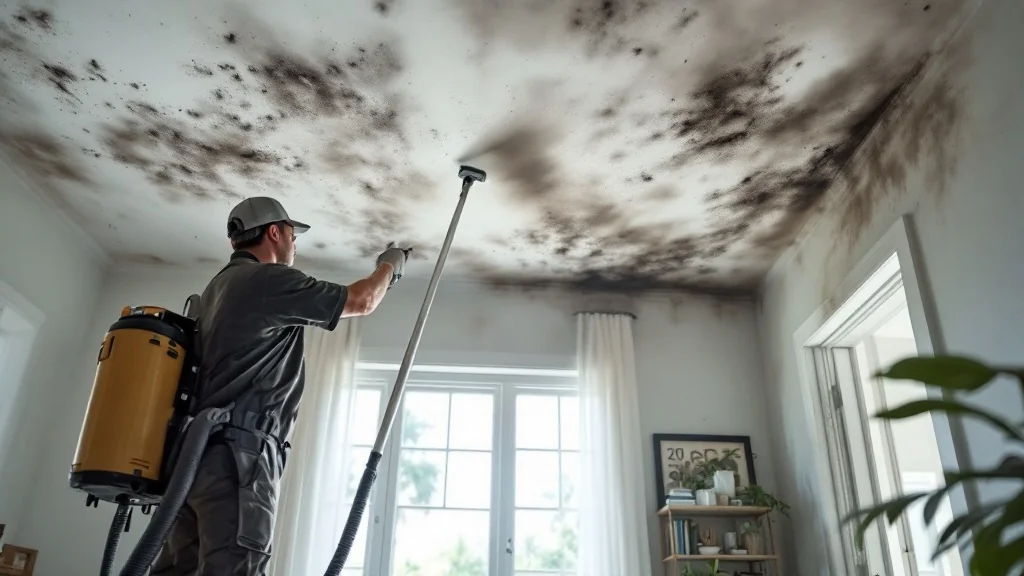
Smoke damage restoration technician cleaning ceiling in Florida home
● IICRC Certified — 24/7 Emergency Response

Residential Smoke Damage Restoration

Florida-certified restoration specialists. 60-minute response guarantee. IICRC WRT · ASD · AMRT technicians. Direct insurance billing and Xactimate documentation.

Quick Answer

What does residential smoke damage restoration include?

Residential smoke damage restoration follows the ANSI/IICRC S770 standard and involves inspection, soot cleaning, HVAC decontamination, odor removal, and structural restoration. Florida’s humid climate and building codes require expert handling to fully remediate smoke effects and protect your home.

Residential Smoke Damage Restoration

Residential smoke damage restoration is a comprehensive service that addresses the aftermath of smoke exposure in your home. This includes the removal of soot and smoke residues from surfaces and structural components, deep cleaning of HVAC systems, and specialized odor elimination techniques. Our IICRC-certified team ensures your home is returned to a safe, healthy, and livable condition by adhering to the ANSI/IICRC S770 standard, which guides best practices for smoke and soot remediation.

Florida homeowners face unique challenges with smoke damage due to the state’s high average humidity of 74%, which accelerates the absorption of smoke particles into porous materials like drywall, wood, and fabrics. Additionally, central air conditioning systems common in Florida homes can rapidly distribute smoke particulates throughout the entire residence, increasing contamination. The year-round warm climate causes smoke odors to set permanently faster than in drier regions, making timely and professional restoration critical. Florida’s Building Code mandates HVAC cleaning after fire events to prevent lingering health hazards and secondary contamination.

Warning Signs You Need Residential Smoke Damage Restoration

⚠️

Lingering Smoke Odors

Persistent smoky smells throughout your home, especially after a fire or smoke event, indicate embedded contamination requiring professional odor elimination.

🖤

Soot Deposits on Surfaces

Visible black soot on walls, ceilings, furniture, and HVAC vents signals smoke particle infiltration that must be cleaned to prevent staining and damage.

🌬️

HVAC System Odors or Malfunction

Smoke contamination inside ductwork can cause odors, reduced air quality, and system inefficiency, necessitating thorough HVAC cleaning and inspection.

😷

Health Symptoms After Smoke Exposure

If family members experience respiratory irritation, headaches, or allergies after smoke exposure, professional restoration can improve indoor air quality and safety.

How It Works

Our 5-Step Residential Smoke Damage Restoration Process

01

Air Quality Testing & Smoke Mapping

We begin by assessing smoke particle levels and mapping contamination zones throughout your home to tailor an effective restoration plan compliant with ANSI/IICRC S770.

02

HEPA Air Scrubbing & Containment

High-efficiency particulate air (HEPA) scrubbers remove airborne smoke particles while containment controls prevent cross-contamination during cleaning.

03

Surface Soot Removal & Decontamination

Specialized cleaning agents and techniques remove soot stains from walls, ceilings, floors, and belongings, restoring surfaces without damage.

04

HVAC System Cleaning & Inspection

We clean and inspect your HVAC system to eradicate smoke residues and prevent odor recirculation, meeting Florida Building Code requirements post-fire.

05

Thermal Fogging or Hydroxyl Odor Elimination

Advanced odor neutralization through thermal fogging or hydroxyl generators removes stubborn smoke smells, ensuring your home’s air is fresh and safe.

Florida Expertise

Why Smoke Damage is Different in Florida

💧

High Humidity Accelerates Smoke Absorption

Florida’s 74% average humidity causes smoke particles to penetrate porous materials faster, making timely restoration vital to prevent permanent staining and odor retention.

❄️

Central AC Systems Spread Smoke Quickly

The widespread use of central air conditioning circulates smoke residues throughout homes, contaminating ductwork and increasing the scope of restoration needed.

🌡️

Year-Round Heat Sets Odors Permanently

Florida’s warm climate accelerates the chemical bonding of smoke odors to surfaces, requiring professional odor neutralization methods to fully remove smells.

📜

Florida Building Code HVAC Cleaning Requirements

State regulations mandate thorough HVAC cleaning after fire events to protect indoor air quality and occupant health, making certified restoration essential.

Insurance Documentation for Residential Smoke Damage Restoration

Florida property insurance policies generally cover residential smoke damage restoration when damage results from a covered peril such as fire or smoke intrusion. Many insurers require detailed documentation to approve claims, including professional estimates and proof of remediation. Citizens Property Insurance, Florida’s state-backed insurer, also honors smoke damage claims but may have specific requirements and timelines.

We provide comprehensive documentation to support your insurance claim, including Xactimate line-item estimates, moisture and contamination logs, and extensive photo evidence of damage and restoration progress. Our team also offers direct billing to your insurance carrier and complies fully with Florida HB 7065 Assignment of Benefits regulations to streamline your claim process and avoid delays.

For expert assistance navigating insurance and restoration in Florida, call The Florida Restoration Pros at (888) 588-7301. We specialize in smooth coordination with insurers to get your home restored quickly and efficiently.

Frequently Asked Questions

+How long does smoke smell last in a Florida home?

In Florida’s humid and warm climate, smoke odors can linger for weeks or months without professional restoration. The moisture accelerates smoke residue absorption into porous materials, making odors harder to remove. Prompt remediation including thermal fogging and HVAC cleaning is key to minimizing lasting smells.

+Can smoke damage permanently ruin HVAC systems?

Yes, if smoke residues are not professionally cleaned, they can corrode HVAC components and cause persistent odors. Florida’s building codes require HVAC cleaning after fire or smoke events to prevent damage and maintain system function.

+Is residual smoke exposure toxic after a fire is out?

Residual smoke contains harmful chemicals and particulates that can irritate respiratory systems and cause health issues. In Florida, with homes often sealed from heat, these toxins can accumulate indoors, so proper restoration is critical for occupant safety.

+Does Florida homeowners insurance cover smoke-only damage without fire?

Many Florida policies cover smoke damage even without visible fire, but coverage varies by insurer and policy. Documenting damage and restoration costs thoroughly helps ensure a successful claim. Contact your provider promptly and consult experts for guidance.

+What is thermal fogging and does it work in Florida's humidity?

Thermal fogging uses heated deodorizing agents to penetrate smoke residues and neutralize odors. It is effective in Florida’s humid climate but must be combined with other methods like HVAC cleaning for complete odor removal.

+How do you test that smoke damage is fully remediated?

We use air quality tests, surface wipe samples, and visual inspections to confirm soot removal and odor elimination. Post-restoration testing ensures compliance with ANSI/IICRC S770 standards and Florida building codes, verifying your home is safe.

Smoke Odor Doesn't Disappear on Its Own

IICRC-certified crews available 24/7 across Florida. 60-minute response guarantee.

☎ Call (888) 588-7301 Now