I’m a certified IICRC water damage restoration expert serving Apopka neighborhoods like Errol Estate, Wekiva Springs Road, and the Marden Road corridor. With a deep understanding of local flood zones along Lake Apopka’s eastern shoreline and Rock Springs Run basin, I guarantee a 60-minute response to protect your home and belongings. Trust The Florida Restoration Pros to handle your emergency with precision and care.
Why Call Us First?
Quick Answer
We provide 24/7 water damage restoration services throughout Apopka and Orange County neighborhoods, including Rock Springs Run State Reserve basin and the Wekiva Springs Road area. Call (321) 352-3226 anytime for quick, expert response to water emergencies. Call (321) 352-3226 now.
Apopka’s unique geography places it at significant risk for water damage influenced by a network of waterways and flood zones. The eastern shoreline of Lake Apopka, particularly along FEMA-designated AE zones, experiences seasonal flood surges that can overwhelm residential drainage. The Rock Springs Run State Reserve basin adds to the risk by contributing to local water table fluctuations, often stressing natural and man-made retention systems. Neighborhoods such as Errol Estate face challenges with older drainage infrastructure, which struggles during heavy rains, leading to yard and basement flooding. Additionally, the Marden Road corridor is known for retention pond overflows after storms, causing rapid water pooling and potential structural damage. Areas near Wekiva Springs Road have a notably high water table, making them susceptible to slab moisture intrusion and foundation issues. These geographic and hydrologic factors combine to create a complex risk profile that demands rapid, skilled intervention when water damage occurs.
Beyond natural flood risks, secondary causes of water damage in Apopka include aging plumbing systems prevalent in older homes, such as galvanized steel or early copper pipes prone to leaks and bursts. Appliance failures, especially from washing machines and water heaters, frequently cause indoor flooding, exacerbated by the area's high humidity which accelerates deterioration. Roof damage from frequent subtropical storms can allow water intrusion, particularly in neighborhoods with older roofing materials. The high water table across much of Orange County further compounds these issues by trapping moisture beneath slabs, leading to persistent dampness and foundation weakening over time. These secondary causes often go unnoticed until significant damage occurs, underscoring the importance of regular inspections and prompt repairs.
In Apopka’s warm, humid subtropical climate, untreated water damage can have serious consequences within 24 to 48 hours. Mold spores germinate rapidly in this environment, often colonizing drywall, insulation, and wood framing. Structural components can weaken as water saturates materials, leading to costly repairs if delays occur. Health risks escalate as mold and bacteria proliferate, potentially triggering respiratory issues and allergic reactions for residents. The faster water extraction and drying begin, the lower the risk of permanent damage and health hazards. That’s why our 60-minute response guarantee is critical for preventing these cascading problems in Apopka homes.
FEMA AE Zone
Lake Apopka north shore, Marden Road corridor
This high-risk flood zone experiences frequent flooding from lake surges and retention pond overflows that can inundate residential streets and yards, increasing water intrusion risk.
Rock Springs Run Basin
Neighborhoods near Rock Springs Run State Reserve
Water runoff from the reserve elevates ground saturation and flood risk during heavy rains, stressing local drainage and potentially causing basement and crawlspace flooding.
Wekiva Springs Road High Water Table Area
Wekiva Springs Road vicinity
The naturally high water table promotes persistent slab moisture issues, increasing risks for foundation damage and mold growth inside homes.
Errol Estate Drainage Challenge Zone
Errol Estate subdivision
Aging and inadequate drainage infrastructure leads to poor water runoff, resulting in frequent flooding and prolonged standing water after storms.
Apopka’s diverse neighborhoods face distinct water damage risks shaped by local geography and infrastructure. Below, we break down the primary water damage concerns for key areas, helping you understand what to watch for in your community.
Most common: Drainage-induced flooding
Errol Estate is a mature subdivision with homes built mostly in the 1980s and 1990s, featuring aging drainage systems that frequently struggle during heavy rainfall. Many residences have galvanized or early copper plumbing, increasing risk of leaks and pipe failure. The neighborhood’s low-lying topography and undersized stormwater infrastructure often lead to standing water in yards and sometimes basements, especially after storms that overwhelm retention ponds. Typical damage includes carpet and flooring saturation, drywall swelling, and mold growth in damp areas. Residents here must remain vigilant, as slow drainage prolongs moisture exposure, raising structural and health risks. Our restoration approach focuses on rapid water extraction and structural drying, tailored to the neighborhood’s frequent drainage challenges.
Most common: High water table and slab moisture
Homes along Wekiva Springs Road contend with one of Apopka’s highest water tables, creating persistent moisture issues under concrete slabs. Many houses, built between 1995 and 2010, have slab foundations prone to micro leaks from plumbing or natural groundwater seepage. This moisture intrusion often leads to elevated humidity inside living spaces and fosters mold colonization in crawlspaces and wall cavities. Roof damage after storms can exacerbate indoor water infiltration, compounding the problem. Residents report occasional musty odors and drywall blistering indicative of hidden moisture damage. Our remediation includes targeted structural drying and dehumidification, with moisture mapping to ensure thorough treatment and prevent long-term structural deterioration.
Most common: Retention pond overflow flooding
The Marden Road corridor is characterized by multiple retention ponds designed to mitigate flooding; however, during intense storms, these ponds frequently overflow, inundating adjacent properties. Newer homes built post-2000 face risks not only from surface water but also from storm sewer backups. Many in this area utilize PVC plumbing systems, but localized soil saturation can still cause foundation seepage. Floodwaters here often bring debris and sediment into homes, complicating cleanup. Damage typically involves flooring, baseboards, and lower wall materials, with risks of mold growth if drying is delayed. Our team’s experience in rapid water extraction and sediment removal helps restore these homes quickly and effectively.
Most common: FEMA AE zone flood surges
Properties along Lake Apopka’s eastern shoreline are situated inside FEMA AE flood zones, exposing them to 1% annual chance flood events including surge from lake overflow. Many homes are older, dating from the 1970s and 1980s, often with original copper and galvanized plumbing susceptible to corrosion. Flood surges can submerge ground floors and damage electrical systems, drywall, and personal property. These homes also face ongoing challenges with soil erosion and foundation settling due to repeated flood exposure. Residents report occasional mold outbreaks post-flooding, requiring professional remediation. The Florida Restoration Pros provides specialized flood damage restoration tailored to these risks, including water extraction, controlled demolition, and mold prevention.
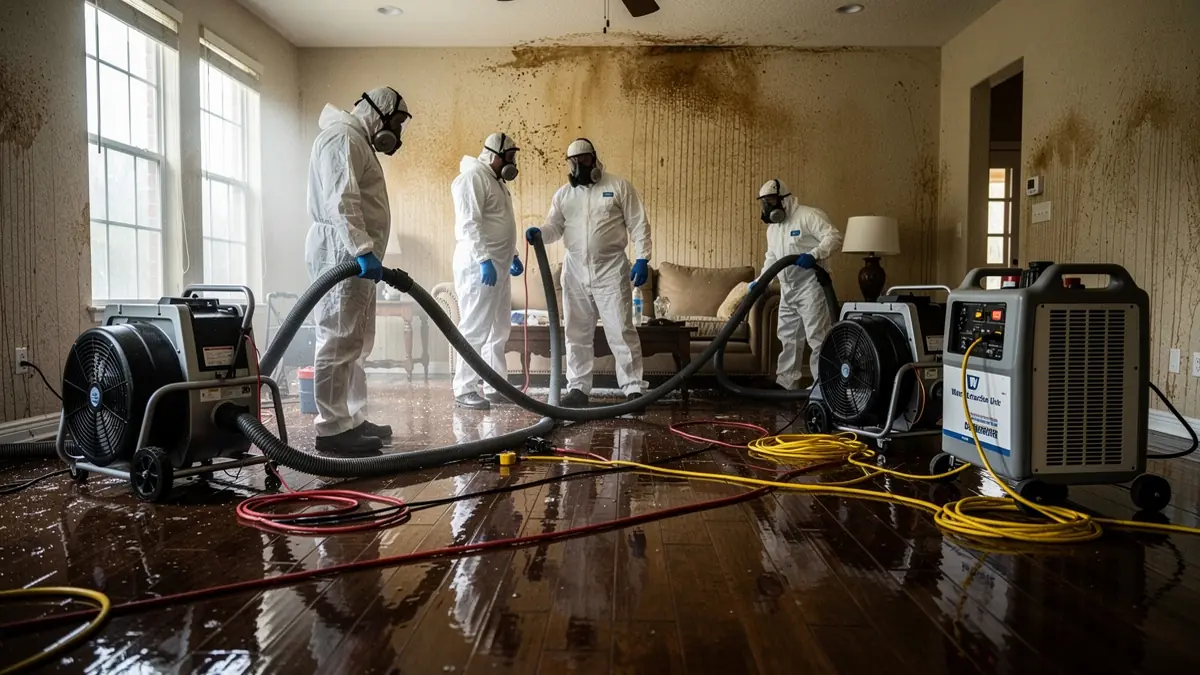
Our Apopka emergency water extraction service swiftly removes standing water caused by floods, burst pipes, or appliance failures. Using powerful pumps and vacuums, we minimize damage to flooring and structure, helping you recover quickly from water emergencies in neighborhoods like Errol Estate and Marden Road corridor.
We specialize in restoring Apopka homes damaged by lake surge flooding and storm-related inundation common along Lake Apopka’s AE zones. Our team handles debris removal, structural drying, and content restoration to bring your home back to pre-flood condition.
In Orange County’s humid climate, thorough structural drying and dehumidification are crucial to prevent mold and material deterioration. We use industry-leading equipment to dry framing, slabs, and wall cavities efficiently in Apopka’s challenging moisture environment.
Post-water damage mold growth poses a serious health risk in Apopka’s subtropical climate. Our mold remediation services identify, contain, and remove mold colonies, then treat affected areas to prevent recurrence after flooding or leaks.
Category 3 sewage backups or contaminated water incidents require specialized cleanup to protect Apopka residents. We safely remove biohazards, disinfect affected areas, and restore your home to a safe condition.
We carefully pack out and restore water-damaged personal belongings from Apopka homes to prevent further loss. Our contents restoration service helps salvage furniture, electronics, and valuables affected by flooding or leaks.
Orange County’s flood risk requires homeowners in Apopka to understand the difference between flood insurance and standard homeowner policies. FEMA’s flood zones, especially Zones AE and VE along Lake Apopka’s north shore, designate areas with high flood risk that often require National Flood Insurance Program (NFIP) coverage. Standard HO-3 policies typically exclude flood damage, leaving homeowners without flood insurance vulnerable during storm surges or retention pond overflows common in neighborhoods like Errol Estate. Zone AE indicates areas with 1% annual flood risk and base flood elevations, while Zone VE includes coastal areas with additional wave hazard exposure. Understanding these distinctions helps Apopka residents secure proper coverage and avoid unexpected out-of-pocket costs.
Documenting water damage in Apopka for insurance claims requires thorough, timely action. Homeowners should capture clear photos and videos of all affected areas immediately after the event, focusing on structural damage, belongings, and water levels. Keep dated logs of all communications with insurance carriers and restoration professionals. Providers like The Florida Restoration Pros recommend starting documentation on arrival to ensure accuracy. Claims should be filed promptly to meet carrier deadlines, which can vary but often require notification within 30 days. Detailed documentation improves claim approval odds and expedites reimbursement in Apopka’s complex flood-prone environments.
Working effectively with insurance adjusters in Apopka means understanding the scope of work and pricing tools like Xactimate used for estimating repairs. It’s vital to ensure all water damage, including hidden mold or foundational issues, is included in the scope to avoid underpayment. Our team helps homeowners navigate these conversations, providing detailed reports and photographic evidence. In cases of significant underpayment or dispute, Apopka residents should consider hiring a public adjuster experienced with Orange County flood claims to advocate on their behalf and secure fair settlements.
We guarantee fast response and begin detailed documentation immediately upon arrival to support your claim.
(321) 352-3226Water damage in Apopka homes comes from both external and internal sources that challenge our local residents daily. External threats include hurricane surge and storm flooding, especially along the Lake Apopka Eastern Shoreline, where seasonal flood surges frequently overwhelm drainage systems in FEMA-designated AE zones. Roof leaks from heavy rainstorms and flood water intrusion also contribute significantly. Internally, pipe bursts caused by shifting soil or aging plumbing are common, as are failures in appliances like washing machines, dishwashers, and water heaters. HVAC condensate overflow and sewage backups further complicate the picture in neighborhoods like Errol Estate and the Marden Road Corridor. Among these, internal water damage from burst pipes and appliance failures is the most frequent issue we encounter, because Apopka’s fluctuating water table—affected by the nearby Rock Springs Run State Reserve basin—adds pressure on older infrastructure, making leaks and bursts more likely. Our crews bring local expertise to restore your home promptly and thoroughly, minimizing further damage and health risks.
Businesses across Apopka—from office buildings and retail stores to warehouses, restaurants, and multi-unit residential complexes—face unique challenges when water damage strikes. Our crews understand that downtime can be costly, so we focus on swift, efficient restoration paired with detailed documentation to support insurance claims. Areas like the Wekiva Springs Road Area and nearby commercial zones are prone to flooding and plumbing failures, requiring tailored solutions that minimize business interruption while addressing local water risks. We coordinate closely with property managers and insurance providers to streamline the recovery process and get your operations back to normal as quickly as possible.
In Florida’s warm, humid climate, untreated water damage can lead to mold colonization within 24 to 48 hours. Our AMRT-certified remediation specialists are trained to tackle mold growth effectively and prevent its return after flood or leak events common in Apopka. We focus on thorough drying, cleaning, and containment to protect indoor air quality and your health. Our mold remediation services are designed to restore safety and comfort, ensuring your property is mold-free and resilient against future moisture issues.
We also handle fire damage restoration, smoke and soot cleanup, and storm damage repair throughout Apopka and surrounding Orange County communities. Explore all our restoration services.
Our certified team offers 60-minute emergency response 24/7 across Apopka neighborhoods like Errol Estate, Wekiva Springs Road, and Marden Road. Immediate action minimizes damage and health risks—call us anytime.
☎ (321) 352-3226 — Available 24/7