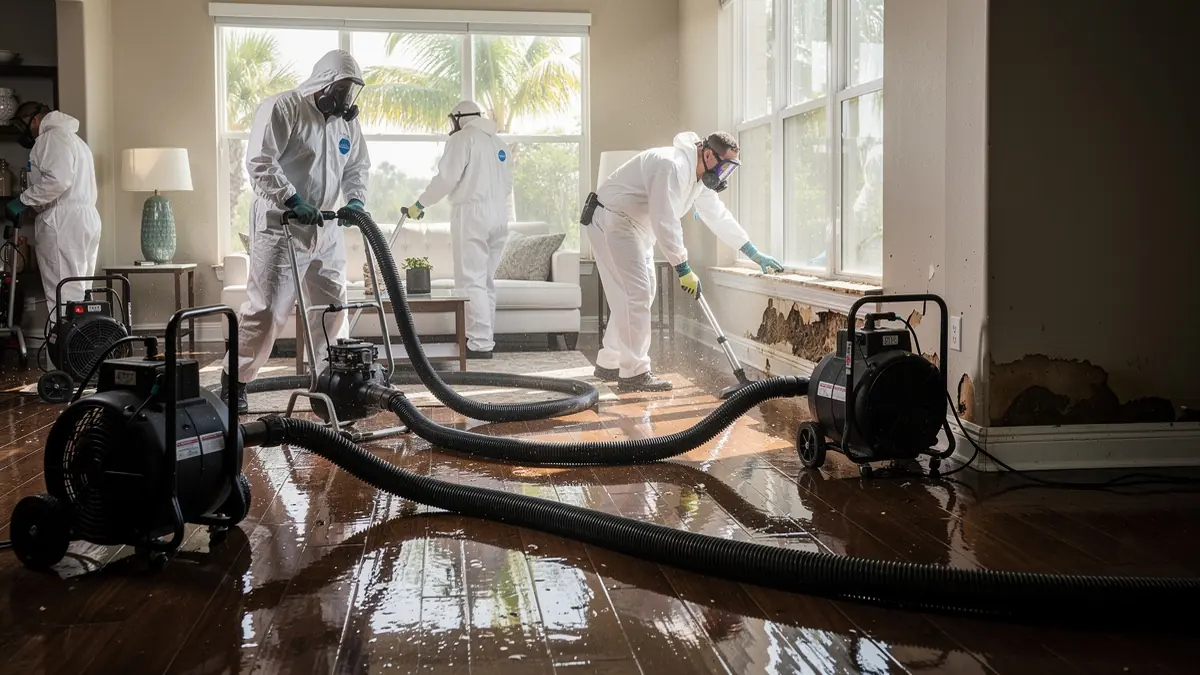
Water damage restoration crew working in Port St. Lucie Florida home
● Fast 24/7 emergency water damage response across St. Lucie County — immediate help when flooding strikes.

Port St. Lucie Water Damage Restoration

I’m an IICRC-certified water damage restoration expert serving Port St. Lucie neighborhoods like Tradition, Torino Park, Gatlin Blvd corridor, and the North Fork St. Lucie River basin. With over 10 years’ experience handling water emergencies in this unique region, I guarantee a 60-minute response to mitigate damage fast and restore your home.

Why Call Us First?

  • Specialized flood zone knowledge for St. Lucie County’s AE and VE areas
  • 60-minute emergency response guarantee across Port St. Lucie
  • IICRC-certified water damage restoration experts
  • Comprehensive insurance documentation and claim support
  • Service focused on Tradition, Torino Park, and Gatlin Blvd corridor
  • Preferred vendor status with major St. Lucie insurance carriers
Call Now — It’s Free

Quick Answer

We provide 24/7 emergency water damage restoration across St. Lucie County, including Tradition, Torino Park, and South Fork neighborhoods. Call (772) 425-5018 for immediate local response by certified professionals ready to protect your home. Call (772) 425-5018 now.

Understanding Port St. Lucie’s Unique Water Damage Risks

Port St. Lucie’s geography presents distinct water damage challenges. Situated between the North Fork and South Fork of the St. Lucie River flood basins, the city is highly susceptible to flooding during tropical storms, especially when the C-23 and C-24 canals managed by the South Florida Water Management District overflow. Neighborhoods near these waterways, including areas along Gatlin Blvd and Torino Park, often experience retention pond flooding exacerbated by heavy rains. Large sections of Port St. Lucie were developed in the 1990s and 2000s on reclaimed wetlands, contributing to poor natural drainage. The Tradition community, with its expanding stormwater management infrastructure, still faces challenges in managing runoff during intense weather events. Additionally, the city’s consistently high water table elevates the risk of basement seepage and slab moisture intrusion, increasing vulnerability to water damage across most neighborhoods.

Beyond natural flooding, secondary causes of water damage in Port St. Lucie include aging infrastructure and appliance failures. Much of the city’s CBS construction from the 1990s and early 2000s utilizes older pipe materials that can deteriorate or crack over time, leading to leaks. Common culprits include galvanized steel and early PVC pipes prone to joint failure. Home appliances like water heaters, washing machines, and refrigerators also contribute to localized flooding when hoses burst or seals fail. Roof damage from tropical storms or deferred maintenance allows rainwater intrusion, particularly in neighborhoods exposed to high wind events. The city’s elevated water table further complicates moisture control beneath slabs and crawlspaces, encouraging mold growth and structural degradation if not promptly addressed.

In Port St. Lucie’s warm, subtropical climate, untreated water damage can escalate rapidly within 24 to 48 hours. Moisture trapped in walls, flooring, or under slabs fosters mold colonies that compromise indoor air quality and pose health risks to residents. Wood framing and drywall weaken as they absorb water, leading to structural instability and costly repairs. Bacteria and microbial growth flourish, increasing the risk of illness. Delays in restoration allow water to penetrate deeper, making mitigation more complex and expensive. Immediate action is critical to protect your home’s integrity and your family’s health, especially after storms or pipe failures common in this region.

Port St. Lucie’s Water Damage Risk by Zone

North Fork St. Lucie River Basin

Neighborhoods adjacent to North Fork river, including parts of Torino Park

High flood risk during tropical storms due to river overflow and poor drainage exacerbated by nearby wetlands reclamation.

South Fork St. Lucie River Basin

Southern Port St. Lucie neighborhoods near South Fork river banks and C-24 canal

Frequent flooding from canal overflow during heavy rains, with retention pond backups common along Gatlin Blvd.

Tradition Community

Tradition neighborhood and surrounding residential developments

Stormwater management infrastructure struggles during intense weather events, leading to temporary street and yard flooding.

Gatlin Blvd Corridor

Commercial and residential areas along Gatlin Blvd near retention ponds

Retention pond flooding during heavy rainfall can inundate adjacent properties, particularly older constructions.

Port St. Lucie Neighborhood Water Damage — What We See

Port St. Lucie’s neighborhoods face diverse water damage risks depending on their location relative to waterways, elevation, and infrastructure age. Understanding the specific vulnerabilities of areas like Tradition, Torino Park, and the Gatlin Blvd corridor helps tailor restoration strategies and insurance coverage to local conditions.

Tradition

Most common: Stormwater retention flooding

Tradition, one of Port St. Lucie’s rapidly growing neighborhoods from the 2000s, sits atop former wetlands with engineered stormwater systems that occasionally underperform during heavy tropical rains. Most homes are CBS construction with PVC plumbing installed since the early 2000s, offering moderate durability but vulnerable to pressure surges and settling in saturated soils. Flooding tends to affect yards, driveways, and occasionally interiors near retention basins. Water damage often manifests as slab moisture intrusion and occasional pipe leaks. Restoration requires prompt extraction and dehumidification to prevent mold in this humid environment.

Torino Park

Most common: River basin flooding and canal overflow

Located near the North Fork St. Lucie River, Torino Park was developed in the late 1990s on reclaimed wetlands, leading to natural drainage issues. Homes here typically feature CBS walls with galvanized steel piping prone to corrosion and leaks after decades. Flooding during tropical systems often results from river and canal overflow, impacting basements and first-floor areas. Moisture intrusion beneath slabs and behind drywall is common, necessitating thorough water extraction and antimicrobial remediation to combat mold growth fueled by local humidity.

Gatlin Blvd Corridor

Most common: Retention pond and drainage flooding

The Gatlin Blvd corridor blends residential and commercial properties built mostly in the late 1990s and early 2000s. Retention ponds designed to manage stormwater occasionally flood surrounding properties after intense rainfall events. Older plumbing fixtures and pipe joints along this corridor are susceptible to leaks under pressure fluctuations from water overflow. Damage typically includes floor flooding, drywall saturation, and electrical hazards. Restoration in this area emphasizes rapid drying and safety checks due to mixed-use building types.

South Fork Basin Vicinity

Most common: Canal overflow and high water table seepage

Neighborhoods adjacent to the South Fork basin and C-24 canal face chronic water intrusion risks due to frequent canal overflow during tropical storms and persistent high water tables. Many homes, built in the early 2000s, use early PVC plumbing which can crack under shifting soil conditions. Floodwaters often infiltrate through slab foundations and low-lying crawlspaces. Water damage here compounds quickly with mold proliferation and structural wood rot if not addressed promptly, making emergency restoration critical.

Port St. Lucie-Specific Water Damage Services

Port St. Lucie Insurance: Flood Insurance vs. Standard Homeowner Policy

Flood damage in St. Lucie County requires careful insurance consideration. FEMA flood zones, including Zone AE and VE areas near the St. Lucie River and coastal sections, indicate high flood risk requiring separate flood insurance typically through the National Flood Insurance Program (NFIP). Most standard homeowner policies (HO-3) exclude flood damage, limiting coverage to water intrusion from burst pipes or rain entering through a damaged roof. Residents within designated floodplains must secure NFIP or private flood insurance to protect their property. Zone AE areas face moderate flood hazards with base flood elevations established, while Zone VE zones carry additional wave action risk, often increasing premiums and coverage requirements.

Documenting water damage claims in Port St. Lucie requires thorough, timely action. Begin by photographing affected areas immediately upon discovery, capturing all visible damage including flooring, walls, appliances, and personal property. Keep a detailed log of when damage occurred, emergency steps taken, and any communication with your insurance carrier. Water extraction and drying equipment deployment should be documented to support the mitigation timeline. Most insurance companies require claim submission within days of the event, so prompt notification is crucial. Retain all receipts for repairs, temporary housing, or professional assessments to substantiate your claim and ensure a smooth process.

Working effectively with insurance adjusters in Port St. Lucie involves understanding the Xactimate scope process used to estimate repair costs. Homeowners should provide detailed photos and documentation to avoid underpayment, which is common if damage is underestimated. If you suspect your claim has been undervalued, consider consulting a public adjuster familiar with local flood and water damage risks who can negotiate on your behalf. Maintaining clear, professional communication and understanding policy limits related to flood zones and water damage exclusions is key to maximizing your claim settlement in this region.

Port St. Lucie Insurance Documentation

  • Take detailed photos of all affected areas and belongings
  • Document date and time of water intrusion
  • Notify your insurance company promptly—ideally within 24-48 hours
  • Keep a damage log including emergency mitigation steps taken
  • Save receipts for any emergency repairs or temporary lodging
  • Obtain and retain copies of all communications with your insurer
  • Request an adjuster visit and provide full documentation
  • Review your flood zone designation and policy limits
  • Consult a public adjuster if your claim seems undervalued
  • Follow up regularly with your insurance provider to track claim progress

Post-flood or pipe failure in Port St. Lucie?

We begin documentation and mitigation immediately upon arrival to protect your claim and property.

(772) 425-5018

Port St. Lucie Water Damage FAQ

What is Port St. Lucie’s primary flood and surge risk? +
Port St. Lucie’s primary flood and surge risks stem from its location between the North and South Forks of the St. Lucie River and the adjacent C-23 and C-24 canal systems. These waterways can overflow during tropical storms, causing significant flooding especially in low-lying neighborhoods like Torino Park and the Gatlin Blvd corridor. The city’s high water table further exacerbates risks of slab seepage and groundwater intrusion. Many of these areas fall within FEMA Zone AE or VE, indicating moderate to high flood hazard, which affects insurance requirements. Homeowners should understand their flood zone designation and consider NFIP flood insurance, as standard homeowner policies exclude flood damage. Awareness of local drainage infrastructure limitations and proactive mitigation can reduce exposure to costly water damage.
How fast does mold grow after water damage in Port St. Lucie’s climate? +
In Port St. Lucie’s warm, humid subtropical climate, mold can begin to grow within 24 to 48 hours after water intrusion if moisture is not promptly addressed. High temperatures and elevated humidity levels create ideal conditions for fungal spores to germinate and colonize porous materials such as drywall, wood framing, and carpeting. Immediate water extraction and structural drying are critical to preventing mold proliferation. Delays increase health risks such as allergic reactions and respiratory issues for residents. Professional restoration teams use specialized equipment to monitor moisture levels and apply anti-microbial treatments as needed to mitigate mold growth post-flood or leak.
Does homeowner insurance cover flooding in Port St. Lucie? +
Most standard homeowner insurance policies (HO-3) in Port St. Lucie exclude coverage for flooding caused by external water sources like river overflow or storm surge. Given the city’s flood zones—particularly Zone AE and VE areas near the St. Lucie River and canals—residents typically need separate flood insurance through the National Flood Insurance Program (NFIP) or private insurers. This supplemental policy covers damage from rising water, whereas HO-3 policies cover water damage from internal failures such as burst pipes or roof leaks. Understanding this distinction is vital for adequate protection. Homeowners should verify their flood zone status with FEMA maps and ensure they have appropriate flood coverage to avoid costly out-of-pocket repairs.
What’s the first thing to do after water damage in my Port St. Lucie home? +
After discovering water damage in your Port St. Lucie home, prioritize safety first—turn off electricity in affected areas if safe to do so. Next, document the damage thoroughly with photos and videos, capturing all affected floors, walls, ceilings, and personal property. Avoid moving damaged items unnecessarily to preserve evidence for insurance claims. Contact your insurance company promptly to report the loss and begin the claims process. Then call a certified water damage restoration professional to initiate emergency mitigation such as water extraction and drying. Do not attempt DIY repairs or use household fans, as improper handling can worsen damage or void insurance coverage.
How long does water damage restoration take in Port St. Lucie? +
Water damage restoration timelines in Port St. Lucie vary based on the severity and type of water intrusion. Emergency water extraction typically begins within hours of arrival, followed by structural drying that can take 3 to 7 days depending on moisture levels and weather conditions. Mold remediation may add additional days if fungal growth is present. Repairs such as drywall replacement, flooring installation, and mold prevention treatments extend the process further, often lasting 2 to 4 weeks in total. Factors influencing duration include the water category (clean, grey, black), affected materials, and local climate humidity. Prompt response reduces restoration time and limits secondary damage.
Are there unique water damage concerns specific to Port St. Lucie? +
Yes, Port St. Lucie’s unique combination of high water tables, reclaimed wetlands development, and tropical storm exposure creates particular water damage challenges. Homes built in the 1990s and early 2000s often feature CBS construction with older plumbing materials susceptible to leaks under shifting soils. Retention and stormwater ponds sometimes overflow, flooding adjacent neighborhoods like Torino Park and the Gatlin Blvd corridor. The city’s subtropical climate accelerates mold growth and structural deterioration if moisture is not promptly removed. Residents also face flood insurance complexities due to varying FEMA zone designations. These factors necessitate specialized restoration techniques and tailored insurance advice unique to the Port St. Lucie area.

Complete Water Damage & Restoration Services in Port St. Lucie

Residential Water Damage in Port St. Lucie

Water damage in Port St. Lucie homes stems from both external and internal sources, with flooding from tropical storms and hurricanes topping the list. Our city’s unique geography, nestled between the North Fork and South Fork of the St. Lucie River flood basins, puts neighborhoods like Gatlin Blvd Corridor and Torino Park at high risk for retention pond and canal overflow flooding during heavy rains. Besides storm surge and floodwater intrusion, roof leaks and storm-related structural damage also contribute. Inside the home, burst pipes, washing machine or dishwasher failures, water heater leaks, HVAC condensate overflow, and sewage backups cause significant damage. Among these, storm-related flooding remains the most common due to Port St. Lucie’s exposure to tropical weather and proximity to managed canals. Our crews focus on rapid water extraction, structural drying, and moisture control tailored to local conditions, ensuring that homes in areas like Tradition and South Fork Basin Vicinity return to safe, dry environments quickly.

Commercial Water Damage in Port St. Lucie

Businesses in Port St. Lucie—including offices along Gatlin Blvd, retail stores, warehouses, restaurants, and multi-unit residential buildings—face major disruptions from water damage caused by storms or plumbing failures. Beyond the immediate cleanup, we prioritize detailed documentation of damage and work closely with insurance providers to streamline claims and minimize downtime. Our local experience means we understand how flooding impacts commercial properties here, especially during seasonal storms. We implement advanced drying techniques and moisture monitoring to get your operations back on track as efficiently as possible.

Mold Remediation in Port St. Lucie

In Florida’s warm, humid climate, untreated water damage can lead to mold growth within 24 to 48 hours. Our AMRT-certified technicians specialize in mold remediation, focusing on thorough removal and drying to prevent ongoing colonization. After flooding events common in Port St. Lucie neighborhoods, we also provide post-flood mold prevention to protect your property’s health. Our mold remediation services are designed to restore safety and peace of mind quickly and effectively.

We also handle fire damage restoration, smoke and soot cleanup, and storm damage repair throughout Port St. Lucie and surrounding St. Lucie County communities. Explore all our restoration services.
Nearby Florida Markets We Serve

Water damage in Port St. Lucie? Rapid tropical surge and pipe failure response.

We respond within 60 minutes to water emergencies in Port St. Lucie neighborhoods like Tradition, Torino Park, and along Gatlin Blvd. Our certified team is available 24/7 to stop water damage before it worsens.

☎ (772) 425-5018 — Available 24/7

The Florida Restoration Pros

1860 SW Fountainview Blvd, Suite 100, Port St. Lucie, FL 34986

(772) 425-5018