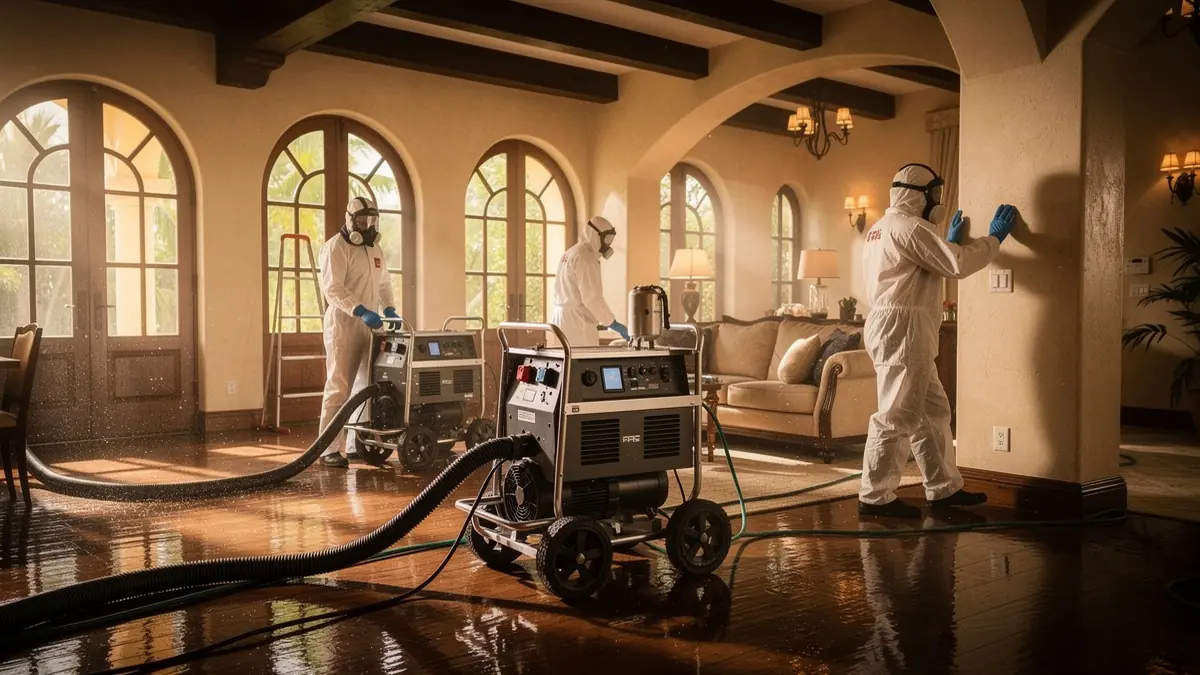
Water damage restoration crew working in Miami Florida home
● Fast 24/7 emergency water damage response across Miami-Dade County—ready when you need us most.

Miami Water Damage Restoration

I’m proud to be IICRC-certified and deeply familiar with Miami’s unique water damage challenges. Serving Wynwood, Edgewater, Coconut Grove, and Coral Gables, I guarantee a 60-minute response to get your home or business protected fast. When Miami’s tides rise or pipes fail, The Florida Restoration Pros are your trusted local team.

Why Call Us First?

  • Expertise in Miami-Dade Zone AE and VE flood coverage nuances
  • 60-minute response guarantee across Miami-Dade County
  • IICRC-certified technicians with local flood restoration experience
  • Comprehensive insurance documentation and claims support
  • Focused service in Wynwood, Edgewater, Coconut Grove, Coral Gables
  • Preferred vendor status with major Miami insurance carriers
Call Now — It’s Free

Quick Answer

Providing 24/7 water damage restoration services throughout Miami-Dade County, including Wynwood, Edgewater, Coconut Grove, and Coral Gables. Call (645) 202-8375 anytime for immediate assistance with flood, surge, or pipe burst emergencies. Call (645) 202-8375 now.

Understanding Miami’s Unique Water Damage Risks

Miami’s geography places it at the front lines of water damage risk. The city’s proximity to Biscayne Bay and the Atlantic Ocean subjects neighborhoods like Coconut Grove and Key Biscayne to frequent tidal surges and storm-driven flooding. Zone AE areas along the bay, including parts of Coral Gables, face serious inundation threats, especially during king tide season when Wynwood and Edgewater see weekly flooding. The Miami River also contributes to flood risk with its history of overflow during heavy rain events. Streets adjacent to these waterways suffer from saltwater intrusion and prolonged standing water, accelerating damage to building materials and infrastructure. Miami’s ranking as the #1 major U.S. city vulnerable to sea level rise underscores how these geographic factors compound the risks for homes and businesses throughout Miami-Dade County.

Secondary causes of water damage in Miami often stem from aging infrastructure. Many homes in Coral Gables and Coconut Grove built between the 1920s and 1940s rely on lead and galvanized piping, which corrode and leak over time. Appliance failures like broken water heaters and washing machines add to the problem. Roof damage from hurricanes and tropical storms allows rainwater infiltration, particularly on flat or aging roofs common in Miami-Dade. Additionally, Miami’s high water table contributes to slab moisture issues beneath homes, facilitating mold growth and structural weakening even without visible flooding. These combined factors make regular maintenance and quick response to leaks crucial for property owners.

When water damage goes untreated in Miami’s subtropical climate, the consequences escalate rapidly. Within 24 to 48 hours, mold can begin to grow due to the combination of warm temperatures and high humidity. Structural elements such as wood framing and drywall degrade, compromising the integrity of the building. Health risks increase as mold spores and bacteria proliferate indoors, affecting respiratory health. Electrical systems exposed to moisture may short circuit, creating fire hazards. Miami’s unique climate accelerates these processes more than in drier regions, making immediate response within the first hour vital to preventing catastrophic damage.

Miami’s Water Damage Risk by Zone

Zone AE Coastal Areas

Coral Gables, parts of Coconut Grove near Biscayne Bay

These areas face high flood risk from storm surge and king tide events, leading to frequent basement and ground-floor flooding with saltwater intrusion that accelerates material corrosion.

Zone VE Atlantic Ocean Front

Key Biscayne, beachfront Edgewater

Subject to wave action and severe surge during hurricanes, properties here have elevated risk of structural damage and require elevated foundations and specialized flood insurance.

Miami River Floodplains

Downtown Miami, sections of Wynwood

Flash flooding occurs when the Miami River overflows, often overwhelming storm drains and causing rapid inundation affecting commercial and residential buildings.

King Tide Flood Zones

Wynwood, Edgewater, select Biscayne Bay adjacent streets

Weekly seasonal flooding during king tides leads to repetitive minor water intrusion, stressing building envelopes and increasing mold risk.

Miami Neighborhood Water Damage — What We See

Water damage in Miami varies significantly by neighborhood due to geography, building age, and local flood risk. Understanding these differences helps homeowners and businesses prepare effectively. Below, we break down the unique water damage risks of four key Miami neighborhoods.

Coral Gables

Most common: Flood surge and aging pipe leakage

Coral Gables boasts many Mediterranean Revival homes built between the 1920s and 1940s, featuring stucco exteriors and clay tile roofs. The aging lead and galvanized plumbing common in these homes often leaks or bursts under Miami’s high water table pressures. Flood surge from Biscayne Bay impacts low-lying streets like Ponce de Leon Boulevard and parts of Old Cutler Road, causing saltwater intrusion that deteriorates foundations and hardwood floors. Homeowners frequently contend with both sudden pipe failures and chronic moisture intrusion, which accelerates mold growth in these historic residences. Restoration requires sensitivity to preserving architectural character while addressing modern water damage challenges.

Wynwood

Most common: King tide flooding and Miami River overflow

Wynwood’s transformation from industrial to vibrant art district includes many older warehouses and mixed-use buildings along NW 2nd Avenue and NW 5th Street. This neighborhood faces recurrent flooding issues tied to both the Miami River’s overflow and seasonal king tides affecting streets like NW 3rd Avenue. Floodwaters bring in contaminated sediments and cause electrical and structural damage, particularly in ground-floor galleries and studios. Water intrusion often compromises porous concrete floors and drywall. Frequent flooding cycles necessitate rapid emergency water extraction and mold prevention services to keep businesses operational.

Coconut Grove

Most common: Tidal surge flooding and slab moisture

Nestled along Biscayne Bay, Coconut Grove’s tropical foliage masks its vulnerability to tidal surges and storm-driven flooding, especially near streets like McFarlane Road and South Bayshore Drive. Many homes date from the early 20th century and have aging plumbing prone to leaks. The high Miami-Dade water table leads to persistent slab moisture issues beneath these homes, which are often constructed on concrete slabs rather than basements. This moisture promotes hidden mold growth and wood rot within floor assemblies. Flood events from hurricanes further damage landscaping, driveways, and foundations, necessitating comprehensive restoration tailored to Grove’s unique environmental stresses.

Edgewater

Most common: Coastal surge and pipe infrastructure failures

Edgewater’s waterfront condos and historic homes along Biscayne Boulevard and NE 13th Street face constant threats from Atlantic Ocean surge and king tide flooding. The district’s mixed building stock includes newer high-rises and older mid-century homes with galvanized plumbing susceptible to corrosion. Floodwaters often inundate ground floors and parking garages, leading to electrical system failures and long-term moisture retention. Hurricane Irma and recent king tides have caused repeated flood events, requiring specialized drying and demolition services to prevent mold and structural decay while accommodating Edgewater’s dense urban fabric.

Miami-Specific Water Damage Services

Miami Insurance: Flood Insurance vs. Standard Homeowner Policies

Understanding flood insurance in Miami-Dade County is essential because standard homeowner policies like HO-3 typically exclude flood damage. Flood zones designated by FEMA — especially Zone AE and coastal Zone VE areas—carry different flood risk levels and insurance requirements. The National Flood Insurance Program (NFIP) provides federally-backed flood insurance policies, which many Miami homeowners must carry due to local ordinances and mortgage lender requirements. Zone AE areas face high-risk flood exposure, while VE zones are subject to wave action and storm surge impacts, often requiring higher premiums and stricter building codes. Knowing your flood zone and understanding what your policy covers helps avoid costly surprises after water damage events.

When filing a water damage claim in Miami, thorough documentation is critical. Start by capturing photos and videos of all affected areas, focusing on flood lines, damaged materials, and any personal property loss. Keep a detailed log of the date and time of the incident, as well as your communications with contractors and insurance representatives. Miami insurers often have strict timelines to report claims, so notify your carrier promptly—usually within 24 to 72 hours. Retain all receipts for emergency repairs or temporary accommodations. Proper documentation accelerates claim processing and supports a fair settlement, especially in complex flood events common to Miami neighborhoods.

Working with insurance adjusters in Miami demands preparation and knowledge. Adjusters typically use Xactimate software to estimate repair costs, which can sometimes lead to undervaluation of damage or overlooked surge-related repairs. Providing comprehensive documentation helps ensure the scope covers all necessary restoration steps unique to Miami’s risk profile. If you encounter resistance or low settlements, consulting a public adjuster experienced in Miami-Dade flood and surge claims can protect your interests. The Florida Restoration Pros work closely with carriers and licensed adjusters to streamline this process and avoid common pitfalls that lead to underpayment.

Miami Insurance Documentation

  • Take clear photos and videos of all water damage and flood lines
  • Document the date, time, and cause of the water intrusion
  • Keep records of all communications with your insurance company
  • Save all repair estimates and invoices from contractors
  • Collect receipts for emergency mitigation and temporary housing
  • Review your flood zone designation (AE, VE) on FEMA maps
  • Submit your claim within carrier-specified deadlines (usually 24-72 hours)
  • Provide detailed lists of damaged personal property with approximate values
  • Retain copies of all claim forms and correspondence
  • Notify your insurer immediately after discovering water damage

Post-flood surge or pipe failure in Miami?

Our rapid response team arrives within 60 minutes, starting documentation and mitigation the moment we step inside.

(645) 202-8375

Miami Water Damage FAQ

What is Miami’s primary flood and surge risk related to water damage? +
Miami’s greatest water damage risk stems from its coastal geography and susceptibility to sea level rise. The city encompasses multiple FEMA flood zones, including Zone AE—areas of high flood hazard—and Zone VE, which are especially vulnerable to storm surge and wave action from the Atlantic Ocean. Neighborhoods like Coconut Grove and Key Biscayne lie within these zones and face frequent tidal and hurricane-driven flooding. Standard homeowner insurance policies typically exclude flood damage, requiring separate National Flood Insurance Program (NFIP) policies. Residents should verify their flood zone designation through FEMA maps and maintain flood insurance accordingly. With sea levels rising and king tide flooding increasing, understanding Miami’s flood risks is critical for preparation and claim success.
How fast does mold grow after water damage in Miami’s climate? +
In Miami-Dade County’s warm and humid subtropical climate, mold can begin to grow within 24 to 48 hours after water intrusion. The high relative humidity and temperatures between 75°F and 85°F create an ideal environment for mold spores to thrive on wet building materials like drywall, wood, and carpeting. Immediate water extraction and drying are crucial to prevent mold colonization and avoid costly remediation. Our technicians perform rapid moisture assessments and deploy industrial dehumidifiers and air movers to stabilize the environment. Delays beyond 48 hours increase the risk of widespread mold growth, which impacts indoor air quality and structural integrity.
Does homeowner insurance cover flooding in Miami? +
Most standard homeowner insurance policies in Miami-Dade County, including the common HO-3 form, exclude coverage for flood damage. Given Miami’s extensive high-risk flood zones—especially Zones AE and VE—homeowners typically need a separate flood insurance policy through the National Flood Insurance Program (NFIP) or private insurers. Flood insurance covers damages caused by rising water, storm surge, and tidal flooding but usually requires a 30-day waiting period before becoming effective. Residents should confirm their flood zone designation via FEMA maps and purchase appropriate flood policies. This distinction is vital when filing claims post-water damage to avoid denied coverage for flood-related losses.
What’s the first thing to do after water damage in my Miami home? +
After discovering water damage in Miami, first ensure safety by turning off electricity if safe and evacuating if necessary. Next, document the damage thoroughly with photos and videos, capturing flood lines and affected areas. Avoid using household fans or heat sources that can worsen damage or spread contaminants. Contact a licensed water damage restoration professional immediately to begin water extraction and drying. Notify your insurance carrier promptly to start the claims process. Do not attempt major cleanup or repairs yourself, as improper handling can jeopardize insurance claims. Early action is critical to minimize mold growth and structural damage in Miami’s humid environment.
How long does water damage restoration take in Miami? +
The duration of water damage restoration in Miami varies based on the water category, extent of damage, and building materials affected. Emergency water extraction typically takes a few hours, followed by structural drying that can last 3 to 7 days using industrial dehumidifiers and air movers tailored for Miami’s humidity. Mold remediation, if needed, requires additional time. Reconstruction or repairs may extend the timeline by weeks depending on complexity. Rapid response and proper drying reduce restoration time and costs. Our team provides detailed project timelines after assessment to keep you informed at every step.
What is a unique water damage risk or concern specific to Miami? +
A unique concern in Miami is the frequent king tide flooding during the fall and winter months, which causes repetitive, low-level flooding in neighborhoods like Wynwood and Edgewater. Unlike storm surge events, king tides cause predictable, weekly inundation that exposes building foundations and electrical systems to saltwater. This repetitive exposure accelerates corrosion and mold growth even without major storms. Additionally, Miami’s historic homes in Coral Gables and Coconut Grove face persistent challenges due to aging lead and galvanized plumbing susceptible to leaks under Miami’s high water table pressures. These combined factors require tailored restoration strategies focused on saltwater damage and pipe infrastructure.

Complete Water Damage & Restoration Services in Miami

Residential Water Damage in Miami

Water damage in Miami homes arises from a mix of external and internal causes that demand swift, expert attention. Externally, hurricane surges and storm-driven flooding frequently impact neighborhoods like Coconut Grove and Coral Gables, especially in Zone AE areas prone to bay overflow and king tide inundations. Roof leaks during heavy rains and flood water intrusion from the Miami River’s occasional overflow add to the risk. Internally, pipe bursts and appliance failures—such as washing machines, dishwashers, and water heaters—are common culprits, alongside HVAC condensate overflows and sewage backups. Among these, flooding from storm surges and tidal events ranks as the most frequent and damaging type in Miami, given our city’s geography and climate. Our crews understand the urgency and complexity of water damage restoration here, working quickly to extract water, dry structures, and restore your home to prevent further harm and costly repairs.

Commercial Water Damage in Miami

For Miami’s office buildings, retail spaces, warehouses, restaurants, and multi-unit residential properties, water damage can disrupt business operations and revenue streams. We prioritize thorough documentation and detailed insurance coordination to streamline claims and reduce downtime. Whether flooding impacts Wynwood’s trendy retail shops or Edgewater’s commercial offices, our team is well-versed in the local risks and regulatory requirements. We focus on efficient water extraction and drying to get your business back on track with minimal interruption, safeguarding your property and assets against Miami’s unique water damage challenges.

Mold Remediation in Miami

In Florida’s humid climate, untreated water damage can lead to mold colonization within 24 to 48 hours, posing health risks and structural concerns. Our AMRT-certified mold remediation ensures thorough removal and effective drying to stop mold in its tracks. After flood events common in Miami neighborhoods, we implement targeted post-flood mold prevention strategies, protecting your home or business from recurring issues. Our mold remediation services are a vital complement to our water damage restoration efforts, restoring safe, healthy environments.

We also handle fire damage restoration, smoke and soot cleanup, and storm damage repair throughout Miami and surrounding Miami-Dade County communities. Explore all our restoration services.
Nearby Florida Markets We Serve

Water damage in Miami? Rapid surge and pipe burst response to protect your home.

With a guaranteed 60-minute response time, we’re available 24/7 to serve Wynwood, Edgewater, Coconut Grove, Coral Gables, and all Miami-Dade neighborhoods. Don’t wait—call us immediately to minimize damage and mold risks.

☎ (645) 202-8375 — Available 24/7

The Florida Restoration Pros

201 S Biscayne Blvd, Floor 28, Miami, FL 33131

(645) 202-8375