I’m with The Florida Restoration Pros, IICRC-certified and ready to serve Ormond Beach neighborhoods like Deep Creek, Hunter Ridge, Ormond Lakes, and the barrier islands. We understand local flood and surge risks and guarantee arrival within 60 minutes of your call. Your home’s safety is our priority, day or night.
Why Call Us First?
Quick Answer
We offer 24/7 water damage restoration services throughout Volusia County, including Deep Creek, Hunter Ridge, and Tomoka State Park basin areas. For rapid, reliable help when water strikes, call The Florida Restoration Pros at (386) 349-4425. Call (386) 349-4425 now.
Ormond Beach’s unique geography includes several waterways that challenge homeowners with flood and water damage risks. The Tomoka River basin frequently overflows during heavy rains, impacting neighborhoods near Tomoka State Park and the Intracoastal Waterway. The Halifax River tidal surges can push water into low-lying areas, particularly across barrier island residences bordering the Atlantic Ocean. Deep Creek and Ormond Lakes subdivisions, situated on settling soils, face frequent pipe failures that exacerbate flooding. Streets near Hunter Ridge are prone to flash flooding during sudden downpours due to poor drainage and proximity to wetlands. These combined factors place many Ormond Beach properties within FEMA flood zones, notably Zone AE and VE, which are subject to high flood hazards. Roads such as John Anderson Drive and Halifax Drive often experience water pooling, threatening both homes and infrastructure. Understanding these local waterways and flood-prone zones is crucial in preparing for and mitigating water damage impacts.
Beyond natural flooding, Ormond Beach homeowners contend with secondary water damage causes linked to aging infrastructure and the local environment. Many residential pipes date back decades, composed of outdated materials susceptible to cracks and leaks, especially in settlements like Deep Creek and Ormond Lakes where soil movement stresses underground lines. Appliance failures—washing machines, water heaters, and refrigerators—are frequent culprits of indoor water intrusion, often unnoticed until damage spreads. Roof damage from tropical storms and hurricanes is another major contributor, as compromised shingles and flashing allow rainwater to penetrate attics and ceilings. Additionally, the high Volusia County water table can cause slab moisture issues, leading to foundation seepage and persistent dampness within homes. These factors combine to elevate water damage risks beyond natural flooding, requiring vigilant inspection and prompt remediation.
In Ormond Beach’s humid subtropical climate, untreated water damage rapidly worsens within 24 to 48 hours. Moisture fosters mold growth, which can spread through walls and flooring, compromising indoor air quality and occupant health. Structural elements—especially wooden framing and drywall—begin to weaken as water breaks down materials, potentially causing costly repairs. Electrical systems exposed to water face shorts and corrosion, increasing fire hazards. The warm, moist environment accelerates bacterial proliferation, raising risks of illness. Left unaddressed, water damage can also lead to warped flooring, peeling paint, and sustained odors, all of which diminish property value. Immediate response and professional drying are essential to prevent these cascading effects and restore home safety quickly.
Tomoka State Park Basin Overflow
Neighborhoods adjacent to Tomoka State Park and surrounding basin areas
This low-lying basin frequently floods after heavy rainfall, causing overflow that inundates nearby residential streets with standing water and mud, increasing risk of structural water intrusion and prolonged dampness.
Halifax River Tidal Surge Zones
Barrier island residences near Halifax River, including sections along John Anderson Drive
Tidal surges from the Halifax River push saltwater into coastal homes, particularly during tropical storms, leading to saltwater intrusion, foundation erosion, and elevated flood damage.
Deep Creek and Ormond Lakes Subdivisions
Residential streets such as Deep Creek Boulevard and Ormond Lakes Drive
Soil settlement in these older subdivisions causes frequent underground pipe breaks, resulting in internal flooding, soil saturation, and foundation issues.
Hunter Ridge Flash Flood Zone
Hunter Ridge neighborhood streets near wetlands and drainage basins
Sudden heavy rains create rapid flash floods due to poor drainage infrastructure, leading to swift water accumulation damaging homes and vehicles.
Each Ormond Beach neighborhood faces distinct water damage risks due to its geography and infrastructure. Understanding these local nuances helps residents prepare and respond effectively. Below is a detailed breakdown of the primary water damage factors affecting key neighborhoods.
Most common: Pipe failures and soil settlement flooding
Deep Creek is one of Ormond Beach’s older subdivisions, with many homes constructed in the 1970s and 1980s using cast iron and early PVC piping prone to cracks. The area’s sandy soils gradually settle, stressing underground pipes and causing frequent leaks and breaks. These failures often go unnoticed until significant water penetrates basements or crawlspaces, leading to mold and foundation damage. Flooding can also occur from overland runoff during heavy rains due to insufficient storm drains. Residents often report slab moisture issues exacerbated by the high water table. Because of its age and infrastructure vulnerabilities, Deep Creek requires vigilant maintenance and quick response to any water intrusion to prevent escalating damage.
Most common: Flash flooding from storm runoff
Hunter Ridge sits near several wetlands and retention basins but suffers from inadequate stormwater infrastructure, making it highly susceptible to flash floods during intense rain events. Many streets, including Ridgewood Avenue and surrounding areas, experience rapid water accumulation that can overwhelm driveways and flood ground-level rooms. Homes here, built mostly in the 1990s, feature slab foundations that can suffer water seepage if drainage is poor. The neighborhood’s subtropical climate promotes rapid mold growth if water is not promptly extracted. Hunter Ridge residents often require emergency extraction and structural drying after storms due to these localized flood risks.
Most common: Aging pipes and internal water damage
Ormond Lakes features mid-1980s construction with aging copper and galvanized steel pipes prone to corrosion and pinhole leaks. Soil movement from the nearby Halifax River basin contributes to pipe stress and occasional bursts. Homes here often face hidden leaks behind walls and under floors, causing drywall deterioration and carpeting damage. The neighborhood’s proximity to tidal influences also increases humidity levels, worsening mold proliferation after water events. Residents frequently encounter slab moisture and must stay alert for subtle signs of plumbing failure to avoid costly restorations.
Most common: Coastal surge and saltwater flooding
The barrier islands along Ormond Beach’s Atlantic coast are highly vulnerable to storm surge flooding, particularly during hurricanes and tropical storms. Residences on streets like Ocean Shore Boulevard face periodic inundation from Atlantic surge and high tides pushing water over dunes and seawalls. Saltwater intrusion accelerates corrosion of building materials and electrical systems, often requiring specialized restoration to address both floodwater and salt damage. Elevated homes mitigate some risk, but basement and crawlspace flooding remain challenges. Residents must prepare for rapid evacuation and secure insurance with flood and wind coverage for these unique coastal hazards.
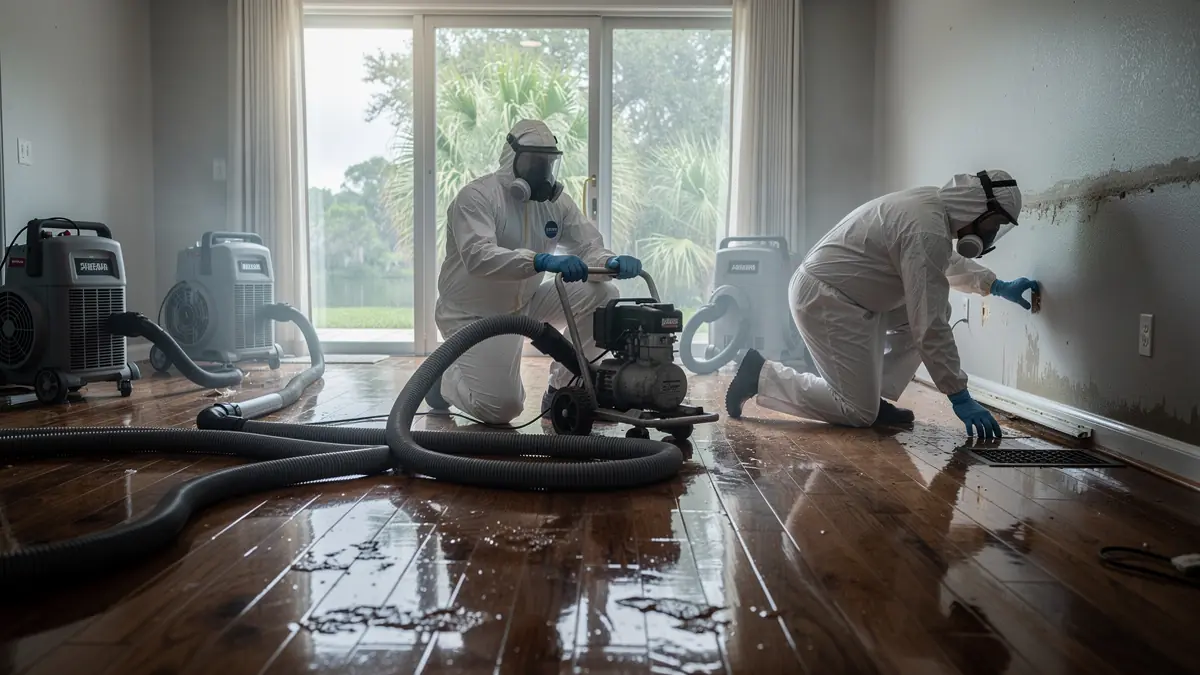
Our emergency water extraction service in Ormond Beach rapidly removes standing water caused by floods, pipe breaks, or storms. Using advanced pumps and vacuums, we protect homes in neighborhoods like Deep Creek and Hunter Ridge from further damage, ensuring faster drying and minimizing mold risks.
We specialize in flood and storm surge restoration tailored to Ormond Beach’s unique coastal and riverine flood risks. Our team handles saltwater and freshwater intrusion damage, restoring barrier island homes and Halifax River properties with expert care.
In Volusia County’s humid climate, structural drying is critical. We deploy industrial dehumidifiers and air movers to eliminate moisture from walls, floors, and crawlspaces, preventing mold growth and preserving your home’s integrity.
Post-water damage mold is a serious concern in Ormond Beach. Our certified technicians assess, contain, and remove mold colonies, applying antimicrobial treatments to inhibit future growth and improve indoor air quality.
Category 3 sewage backups are hazardous in Ormond Beach’s flood-prone areas. We provide safe removal and disinfection services to protect your family from pathogens and restore sanitary conditions quickly.
Our contents restoration service carefully cleans and stores your belongings during water damage repairs. We handle delicate furniture, electronics, and documents common in Ormond Beach homes, ensuring maximum recovery and minimal loss.
In Volusia County, flood coverage is generally separate from standard homeowner policies. FEMA’s flood zones, including Zone AE and high-risk coastal Zone VE, delineate areas with significant flood and storm surge threats in Ormond Beach. Homeowners in these zones must obtain National Flood Insurance Program (NFIP) policies to protect against flood damage, as HO-3 policies exclude flooding. Zone AE indicates areas with base flood elevations and mandatory flood insurance requirements, while Zone VE zones denote coastal areas vulnerable to storm surge and wave action, increasing premiums and coverage complexities. Understanding your property’s flood zone designation is critical to securing proper insurance, as failure to maintain flood policies can result in uncovered losses after a disaster.
When filing water damage claims in Ormond Beach, thorough documentation is vital to ensure smooth processing. Homeowners should capture clear photos and videos of all affected areas immediately upon discovery, including visible water intrusion, damaged belongings, and structural harm. Keep detailed notes on the timing of the incident and any actions taken. Preserve receipts for emergency repairs or temporary accommodations. Contact your insurance carrier promptly to report the damage and inquire about claim deadlines—commonly within 72 hours to 14 days. Early and organized documentation helps substantiate your claim and supports accurate damage assessment by adjusters.
Working effectively with insurance adjusters in Ormond Beach means being prepared with a comprehensive scope of damage. Adjusters often use Xactimate software to estimate repair costs, so providing detailed photos, invoices, and contractor assessments can prevent underpayment. If you suspect your claim is undervalued or denied, consider consulting a public adjuster experienced in Volusia County flood and water damage cases. They advocate on your behalf to ensure fair settlement. Clear communication and documentation throughout the process are key to maximizing your recovery.
We respond within 60 minutes and begin thorough documentation immediately upon arrival to support your claim.
(386) 349-4425In Ormond Beach, water damage in homes arises from a combination of external and internal causes. External threats include hurricane surges and storm flooding, especially in barrier island residences where tidal surges from the Halifax River can push saltwater into homes. Floodwater intrusion is a frequent issue near the Tomoka River basin during heavy rains, affecting neighborhoods close to Tomoka State Park. Roof leaks also contribute to water damage, particularly during seasonal storms. Internally, pipe bursts are common in subdivisions like Deep Creek and Ormond Lakes, where settling soils place stress on plumbing. Appliance failures—such as washing machines, dishwashers, water heaters—and HVAC condensate overflows add to the problem. Sewage backups pose a serious health risk and complicate restoration efforts. In Ormond Beach, grey water damage from appliance leaks and pipe failures is the most common, largely due to the area's aging infrastructure and soil conditions. Our crews bring local expertise to handle each unique situation quickly and effectively.
Water damage in Ormond Beach commercial properties—offices, retail spaces, warehouses, restaurants, and multi-unit residences—can bring operations to a halt. Our teams understand the urgency of business interruption and work closely with property owners to document damage thoroughly and coordinate with insurance providers. Flooding near waterways like the Tomoka River and tidal surges impacting barrier island commercial areas create unique challenges. We prioritize rapid water extraction, drying, and restoration to reduce downtime and protect assets. Our local experience ensures restoration meets industry standards while addressing Ormond Beach’s specific water damage risks.
In Florida’s humid climate, untreated water damage can lead to mold growth within 24 to 48 hours, making prompt action essential. Our AMRT-certified mold remediation specialists use advanced techniques to remove mold colonies and prevent recurrence after flooding incidents common in Ormond Beach neighborhoods. We focus on thorough drying, antimicrobial treatments, and moisture control to safeguard your property’s health. Our mold remediation services protect your home or business from the hidden dangers that follow water damage.
We also handle fire damage restoration, smoke and soot cleanup, and storm damage repair throughout Ormond Beach and surrounding Volusia County communities. Explore all our restoration services.
We guarantee a 60-minute response across Ormond Beach neighborhoods including Deep Creek, Hunter Ridge, and Ormond Lakes. Our 24/7 availability ensures your water emergencies are promptly addressed, minimizing damage and restoring safety fast.
☎ (386) 349-4425 — Available 24/7