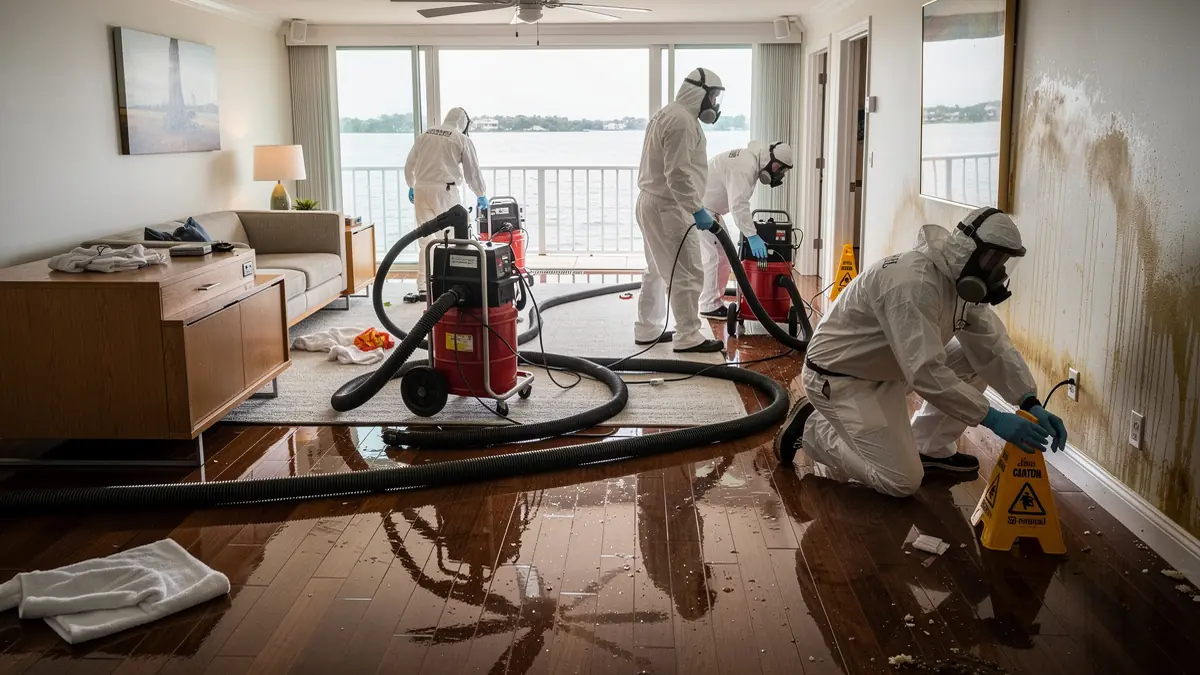
Water damage restoration crew working in Daytona Beach Florida home
● Fast 24/7 emergency water damage response across Volusia County—Daytona Beach’s trusted restore pros.

Daytona Beach Water Damage Restoration

I’m proud to lead The Florida Restoration Pros, a fully IICRC-certified team ready to tackle water damage emergencies in Daytona Beach neighborhoods like Holly Hill, Daytona Highlands, Wilbur-by-the-Sea, and Ormond-by-the-Sea. We guarantee a 60-minute response time to protect your home or business from flood, pipe bursts, or storm surge damage. Trust our local experts to restore your property quickly and thoroughly.

Why Call Us First?

  • Specialized flood and surge coverage knowledge for Volusia County
  • 60-minute guaranteed emergency response across Daytona Beach
  • IICRC-certified water damage restoration experts
  • Comprehensive insurance documentation assistance
  • Local expertise in neighborhoods like Wilbur-by-the-Sea and Daytona Highlands
  • Preferred vendor status with major insurance carriers
Call Now — It’s Free

Quick Answer

We provide 24/7 water damage restoration services across Daytona Beach and surrounding Volusia County neighborhoods including Daytona Highlands and Wilbur-by-the-Sea. If you face flooding, storm surge, or pipe failures, call (386) 349-4216 now for immediate help. Call (386) 349-4216 now.

Understanding Daytona Beach’s Unique Water Damage Risks

Daytona Beach’s unique geography places it at significant risk for water damage due to its proximity to the Halifax River Intracoastal Waterway and the Atlantic Ocean’s storm surge zones along A1A. Areas like Daytona Beach Shores and beachside condominium complexes regularly experience tidal flooding during tropical systems. Wilbur-by-the-Sea and Ormond-by-the-Sea are especially vulnerable surge corridors where storm-driven water can inundate streets and homes rapidly. The Halifax River’s tidal fluctuations combined with development near these waterways elevate flood risk especially during hurricane season. Mainland neighborhoods such as Holly Hill and Daytona Highlands, though inland, are also affected by localized flooding due to their lower elevation and aging infrastructure. Streets near the Intracoastal often see floodwaters rise into residential yards and basements after heavy rains or large storm events. Understanding these geographic nuances is critical for homeowners and businesses preparing for water damage events in Daytona Beach.

Beyond flooding and surge, secondary causes of water damage in Daytona Beach often stem from the aging plumbing systems common in mid-20th century housing stocks, especially in neighborhoods like Holly Hill and Daytona Highlands. Many homes built between the 1950s and 1970s still use outdated pipe materials prone to corrosion and breaks. Appliance failures, such as ruptured washing machine hoses or water heater leaks, are also frequent triggers of interior water damage. Additionally, the high water table throughout Volusia County contributes to slab moisture issues and foundation dampness, which can exacerbate structural damage over time. Roof damage from tropical storms and hurricanes further compounds water intrusion risks. These secondary sources often cause slow leaks or hidden damage that if left unchecked, deteriorate building materials and indoor air quality.

In Daytona Beach’s humid subtropical climate, untreated water damage escalates rapidly within 24 to 48 hours. Moisture trapped inside walls, flooring, and insulation promotes mold growth, which thrives in the warm, damp environment typical of Volusia County summers. Mold not only damages building materials but also poses serious health risks to residents. Structural components such as wood framing and drywall weaken quickly when saturated and can lead to costly repairs or even unsafe conditions. Electrical systems exposed to water can short circuit or cause fire hazards. Immediate water extraction and drying are essential to prevent these cascading failures and protect your home’s integrity and your family’s well-being.

Daytona Beach’s Water Damage Risk by Zone

Zone VE Coastal Surge Corridor

Wilbur-by-the-Sea, Ormond-by-the-Sea along A1A

This high-risk coastal zone faces direct exposure to Atlantic storm surge and wave action during tropical storms, leading to rapid and severe flooding of properties near the beach and Intracoastal Waterway.

Zone AE Tidal Floodplain

Daytona Beach Shores, beachside condos along Atlantic Avenue

Subject to 1% annual chance flooding, this area regularly experiences tidal inundation during hurricanes and heavy rains, often impacting ground floors and parking garages.

Mainland Low Elevation

Holly Hill, Daytona Highlands neighborhoods

Lower elevation inland areas with aging stormwater systems face frequent street flooding and drainage backups, compounded by outdated plumbing increasing water intrusion risks.

Halifax River Intracoastal Waterway Banks

Properties along Peninsula Drive and Riverside Drive

Tidal fluctuations and storm surge can cause backflow and flooding, threatening basements, docks, and seawalls in this riverside corridor.

Daytona Beach Neighborhood Water Damage — What We See

Daytona Beach’s diverse neighborhoods each face unique water damage challenges, from coastal surge to aging infrastructure. Understanding the specific risks helps residents prepare and respond effectively to flooding, pipe failures, or storm-related damage.

Holly Hill

Most common: Aging Plumbing and Drainage Failure

Holly Hill is a historic mainland Daytona Beach neighborhood featuring many homes built from the 1950s through the 1970s. Most residences still rely on original galvanized steel or copper plumbing, which over decades has corroded and become prone to leaks and sudden pipe bursts. The aging stormwater drainage infrastructure struggles to handle heavy tropical rains, often resulting in street flooding and basement seepage. Combined with a high water table, slab moisture intrusion is common, leading to foundation damage and mold growth. Residents report frequent appliance-related leaks as well, as older homes may have outdated washing machines and water heaters. Typical damage includes soaked drywall, warped hardwood floors, and compromised insulation. Our restoration approach in Holly Hill focuses on rapid leak detection, precise drying, and mold prevention tailored to the vintage building stock and local climate challenges.

Daytona Highlands

Most common: Pipe Failures and Subsurface Moisture

The Daytona Highlands neighborhood, located near the Intracoastal Waterway, is a mix of mid-century homes and newer developments. Many of the older houses still have original plumbing systems that are vulnerable to corrosion and joint failures. The area’s proximity to the Halifax River means high subsurface moisture levels, increasing the risk of slab leaks and foundation dampness that can go unnoticed for months. When tropical storms bring heavy rains, the neighborhood’s drainage system can become overwhelmed, causing street flooding and water intrusion into crawlspaces. Common damage patterns include swollen drywall, buckled flooring, and mold spores in hidden cavities. Restoration here requires specialized moisture mapping and structural drying to prevent long-term deterioration while addressing plumbing upgrades.

Wilbur-by-the-Sea

Most common: Storm Surge and Coastal Flooding

Wilbur-by-the-Sea is a beachfront community directly exposed to Atlantic Ocean storm surge and tidal flooding due to its location within a FEMA Zone VE high-velocity wave action area. Homes here often sit at low elevation on barrier island terrain, making them particularly vulnerable during hurricanes and tropical storms. Floodwaters can rise quickly, inundating ground floors, garages, and seawalls. The sandy soil and saltwater exposure accelerate structural degradation and mold proliferation. Residents frequently experience damage to HVAC systems, electrical panels, and personal contents stored at or below grade. Our restoration team specializes in surge damage mitigation, including rapid water extraction, structural drying, and corrosion prevention measures specific to coastal environments.

Ormond-by-the-Sea

Most common: Tidal Flooding and Surge Impact

Ormond-by-the-Sea, located just north of Daytona Beach Shores, faces similar surge and tidal flooding challenges as Wilbur-by-the-Sea. This coastal neighborhood within a VE flood zone sees periodic inundation of streets and low-lying homes during tropical weather events. The combination of saltwater intrusion and prolonged dampness leads to accelerated wood rot, mold colonization, and damage to foundation footings. Many properties have seawalls that may be compromised during severe storms, further increasing flood risk. Restoration efforts here emphasize moisture control, debris removal, and thorough mold remediation to restore homes safely and prevent ongoing health hazards.

Daytona Beach-Specific Water Damage Services

Emergency Water Extraction

Our Daytona Beach emergency water extraction service provides rapid removal of standing floodwater or burst pipe discharge to minimize structural damage. We deploy powerful pumps and extraction tools 24/7, targeting affected areas in neighborhoods like Holly Hill and Daytona Highlands to halt water intrusion and prepare for drying.

Flood & Storm Surge Restoration

Specializing in Volusia County’s coastal surge zones, our flood restoration service addresses seawater inundation and tidal flooding damage in Daytona Beach Shores and Wilbur-by-the-Sea. We manage debris removal, salt contamination cleaning, and structural drying to restore homes impacted by hurricanes and tropical storms.

Structural Drying & Dehumidification

Given Daytona Beach’s high humidity and subtropical climate, our structural drying service uses industrial dehumidifiers and moisture monitoring to prevent mold and wood rot. We focus on thorough drying of walls, floors, and cavities to stabilize homes in flood-prone areas across Volusia County.

Mold Prevention & Remediation

Post-water damage mold growth is a critical concern in Daytona Beach. Our mold remediation service identifies colonies early, removes affected materials, and applies antimicrobial treatments to prevent recurrence, protecting indoor air quality in neighborhoods with persistent moisture challenges.

Sewage & Contaminated Water Cleanup

Category 3 sewage backups or storm surge contamination require specialized cleanup in Daytona Beach. We safely remove hazardous waste, disinfect affected areas, and restore sanitation in homes affected by Volusia County’s aging sewer infrastructure or coastal flooding.

Contents Restoration & Pack-Out

To protect your belongings after water damage in Daytona Beach, our contents restoration team carefully inventories, cleans, and stores items off-site when necessary. This service ensures safe handling and preservation of valuables while your home undergoes repairs.

Daytona Beach Insurance: Flood insurance vs. standard homeowner policy

Flooding is a major water damage threat in Volusia County, but it’s important to understand that standard homeowner insurance policies (HO-3) often exclude flood damage caused by rising waters or storm surge. Daytona Beach properties located in FEMA-designated Special Flood Hazard Areas, including Zone AE and more severe VE zones along the coast, require separate National Flood Insurance Program (NFIP) policies for flood coverage. Zone AE indicates areas subject to 1% annual chance flooding, while VE zones are high-risk coastal regions prone to storm surge and wave action. Homeowners should verify their flood zone and obtain NFIP or private flood insurance as needed to ensure financial protection. Without flood insurance, damage from tidal flooding or hurricane surge may not be covered, leaving residents exposed to significant repair costs.

When filing water damage claims in Daytona Beach, thorough documentation is critical to maximize insurance recoveries. Homeowners should immediately photograph all visible damage, including flooded rooms, soaked flooring, damaged appliances, and any structural issues. Videos showing water levels or ongoing leaks provide additional proof. It’s vital to keep a detailed inventory of damaged personal property and retain receipts for emergency repairs or temporary housing. Documenting the timeline of damage occurrence and mitigation efforts helps meet carrier deadlines and prevents claim denials. Many insurers require notice within a specific window after an event, so prompt communication with your insurance company is essential. We assist Daytona Beach residents in capturing all relevant documentation to support smooth claims processing.

Working effectively with insurance adjusters in Daytona Beach requires understanding local water damage scopes and accurate damage assessment. Adjusters often use Xactimate software to estimate repair costs, but initial offers may underrepresent the full extent of damage, especially in complex flood or surge scenarios. We recommend having professional water damage restoration experts on site to provide detailed scope and moisture mapping to support your claim. If you encounter disputes or feel underpaid by your carrier, considering a public adjuster familiar with Volusia County flood and surge claims can be beneficial. Our experience with local adjusters helps homeowners navigate negotiations and secure fair settlements for complete restoration.

Daytona Beach Insurance Documentation

  • Photograph all visible water damage and affected areas immediately
  • Capture video footage of flooding extent and ongoing leaks
  • Document the date and time of water intrusion or storm event
  • List all damaged personal property with descriptions and estimated values
  • Keep receipts for emergency repairs, materials, and temporary lodging
  • Notify your insurance carrier within their specified claim filing period
  • Retain all communication records with adjusters and contractors
  • Request written damage assessments from restoration professionals
  • Submit a detailed claim with supporting documentation promptly
  • Follow up regularly with your insurance company to track claim status

Post-flood surge or pipe failure in Daytona Beach?

We respond within 60 minutes and begin documenting damage immediately upon arrival.

(386) 349-4216

Daytona Beach Water Damage FAQ

What is Daytona Beach’s primary flood and storm surge risk? +
Daytona Beach’s primary flood risk arises from its location along the Atlantic Ocean and the Halifax River Intracoastal Waterway. Coastal neighborhoods like Wilbur-by-the-Sea and Daytona Beach Shores lie within FEMA Zone VE, exposing them to high-velocity wave action and storm surge during hurricanes. These surge events can cause rapid and severe flooding, damaging foundations and homes. Inland areas such as Holly Hill and Daytona Highlands face flooding from heavy rains and tidal backflow into aging drainage systems. Property owners should verify their flood zones through FEMA maps and secure National Flood Insurance Program (NFIP) policies if located within Special Flood Hazard Areas, as conventional homeowner insurance (HO-3) excludes flood damage. Understanding these risks and maintaining proper flood coverage is essential for protecting your Daytona Beach property.
How fast does mold grow after water damage in Daytona Beach's climate? +
In Daytona Beach’s warm, humid subtropical climate, mold can begin to grow within 24 to 48 hours after water intrusion. The high ambient humidity and temperatures between 70°F and 90°F create an ideal environment for mold spores to proliferate on wet drywall, wood, and insulation. Prompt water extraction and thorough structural drying are critical to preventing mold colonization. Delaying remediation even by a day or two can lead to widespread mold growth, which damages building materials and poses health risks to occupants. Our restoration team advises immediate response to water damage events to control moisture and inhibit mold development.
Does homeowner insurance cover flooding in Daytona Beach? +
Standard homeowner insurance policies (HO-3) in Daytona Beach typically exclude damage from flooding caused by rising waters, storm surge, or tidal inundation. Because large portions of Daytona Beach fall within FEMA-designated Special Flood Hazard Areas, such as Zones AE and VE, flood insurance must be purchased separately through the National Flood Insurance Program (NFIP) or private insurers. This supplemental coverage protects homeowners against financial loss from floodwaters during hurricanes or tropical storms. Without it, flood damage repairs and contents replacement are out-of-pocket expenses. We recommend all Daytona Beach residents verify their flood zone status and carry appropriate flood insurance to ensure comprehensive protection.
What’s the first thing to do after water damage in my Daytona Beach home? +
After discovering water damage in your Daytona Beach home, prioritize safety by turning off electricity to affected areas to prevent shock hazards. Next, document all visible damage with photographs and video before beginning any cleanup. Immediately notify your insurance company to start the claims process. Avoid using household fans or heaters as they can spread contaminants or worsen damage. Contact a trusted local water damage restoration professional to assess and begin mitigation. Early intervention is essential to prevent mold growth and structural deterioration in the humid Volusia County environment.
How long does water damage restoration take in Daytona Beach? +
Water damage restoration timelines in Daytona Beach vary based on the damage category and extent. Emergency water extraction typically occurs within hours of arrival, while structural drying and dehumidification can take several days to weeks, especially in the region’s high humidity. Mold remediation or reconstruction may extend total restoration to several weeks. Factors such as floodwater contamination, affected materials, and HVAC system involvement influence the process length. Our team provides clear timelines and communication tailored to each Daytona Beach property’s unique circumstances.
What unique water damage risks does Daytona Beach face? +
Daytona Beach experiences unique water damage risks due to its mix of coastal flood zones and aging infrastructure. The interaction of tidal flooding from the Halifax River Intracoastal Waterway and storm surge from the Atlantic Ocean creates recurrent flood exposure for waterfront communities. Additionally, many mainland neighborhoods have original mid-century plumbing prone to leaks, compounding interior water damage risks. The high water table increases slab moisture and foundation issues. This combination of natural and infrastructural challenges necessitates specialized, local expertise in water damage prevention and restoration.

Complete Water Damage & Restoration Services in Daytona Beach

Residential Water Damage in Daytona Beach

Living along Daytona Beach and in neighborhoods like Holly Hill, Wilbur-by-the-Sea, and Ormond-by-the-Sea means our homes face constant threats from water damage. External causes such as hurricane surge and storm flooding—especially along A1A and near the Halifax River Intracoastal Waterway—bring tidal flooding that can quickly inundate streets and properties. Roof leaks and flood water intrusion during tropical systems also contribute heavily to water damage here. Inside the home, burst pipes, malfunctioning appliances like washing machines, dishwashers, and water heaters, as well as HVAC condensate overflow and sewage backups, often create serious water damage emergencies. The most common type of water damage in Daytona Beach results from storm surge flooding due to our unique coastal geography, where salt and brackish water amplify the risks and complications. Our crews bring local experience and specialized equipment to dry, extract, and restore affected structures promptly, minimizing long-term damage and disruption.

Commercial Water Damage in Daytona Beach

Daytona Beach’s commercial properties—from office buildings and retail stores to warehouses, restaurants, and multi-unit residential complexes—are all exposed to water damage risks like flooding from storm surge and plumbing failures. For local businesses, uninterrupted operations hinge on fast water damage restoration paired with thorough documentation of losses and clear coordination with insurance providers. We understand the specific challenges businesses face here, including the need to protect inventory and minimize downtime in flood-prone areas like Daytona Highlands and Daytona Beach Shores. Our crews work efficiently to restore affected spaces and support business continuity throughout the process.

Mold Remediation in Daytona Beach

In Florida’s warm, humid climate, untreated water damage can lead to mold growth within 24 to 48 hours. Our AMRT-certified mold remediation team specializes in identifying and eliminating mold colonies that develop after flooding or leaks. We focus on thorough drying and chemical treatments designed to prevent mold from returning after restoration. Alongside our water damage services, our mold remediation solutions ensure your Daytona Beach property remains healthy and safe following any water intrusion.

We also handle fire damage restoration, smoke and soot cleanup, and storm damage repair throughout Daytona Beach and surrounding Volusia County communities. Explore all our restoration services.
Nearby Florida Markets We Serve

Water damage in Daytona Beach? Rapid response protects you from surge and pipe failures.

We guarantee a 60-minute emergency response across Daytona Beach neighborhoods including Holly Hill, Wilbur-by-the-Sea, and Daytona Highlands. Our 24/7 availability ensures quick action to mitigate water damage from storms, tidal flooding, or plumbing failures.

☎ (386) 349-4216 — Available 24/7

The Florida Restoration Pros

1616 Concierge Blvd, 1st Fl, Daytona Beach, FL 32117

(386) 349-4216